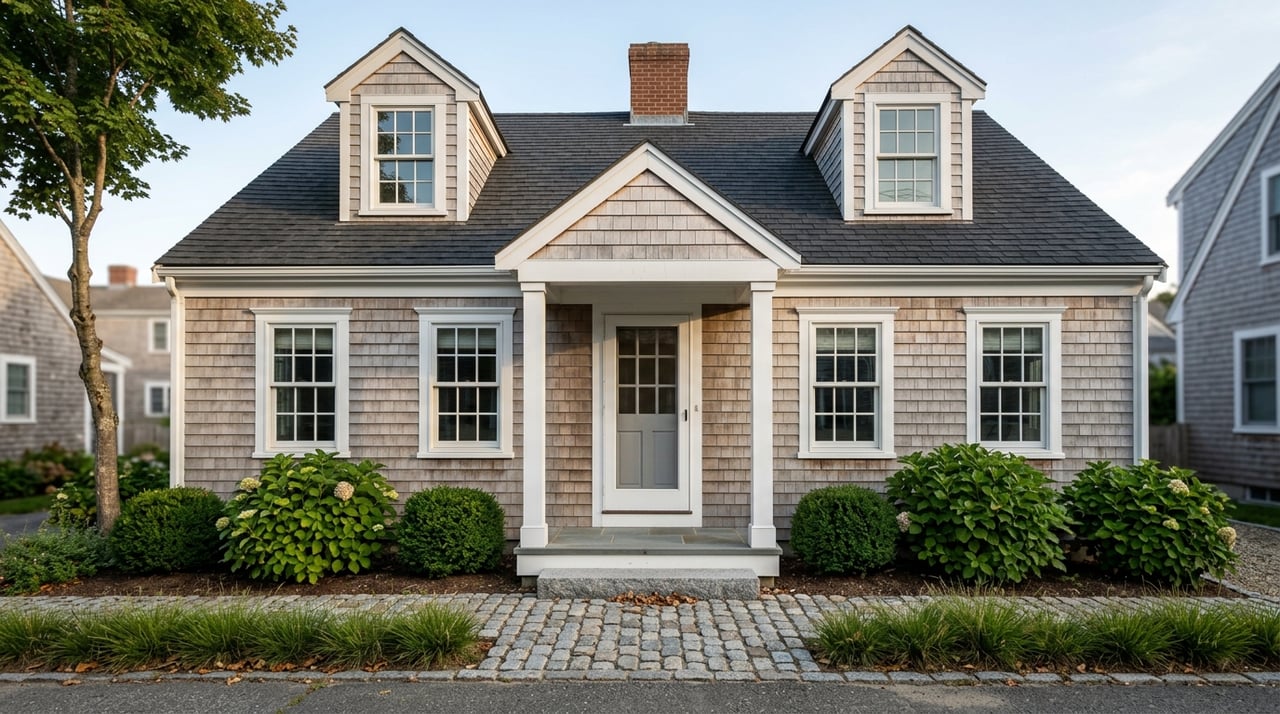
If you are drawn to the idea of living by the water in a place with real history, Marblehead stands apart. Its waterfront homes are not just scenic properties. They are part of a compact coastal town shaped by centuries of seafaring, preservation, and daily life around the harbor. If you are thinking about buying or simply want to understand what makes these homes so special, this guide will help you see the appeal, the tradeoffs, and the practical details that matter. Let’s dive in.
Why Marblehead’s waterfront feels different
Marblehead is a small Essex County coastal town with 4.38 square miles of land and a 2020 population of 20,441. Local history traces English settlement to 1629, and over time the town grew from a fishing settlement into an Atlantic seaport, then a summer destination, and later a commuter community.
That layered history is still visible today. In Marblehead, the waterfront is not separate from the town’s identity. The sea shapes the streets, the homes, and the way you move through Old Town and Marblehead Neck.
The preservation story is also unusually strong. The Marblehead Historical Commission states that the National Register Historic District is one of the largest contiguous colonial districts in the country, while the Old and Historic Districts Commission oversees the local Old and Historic District. That district includes harbor-edge areas and nearby streets such as Waldron Court, Essex, Elm, Pond, and Norman.
What counts as a historic waterfront home
In Marblehead, a historic waterfront home usually means a house in or near the historic district that reflects the town’s colonial and maritime past. Many are associated with merchants, captains, shipowners, or other figures tied to Marblehead’s seaport history.
You will often hear the phrase “captain’s house” in Marblehead. Locally, that usually refers to a substantial older home connected to the town’s maritime elite, not to a separate architectural style. It is more about history and status than about one exact design formula.
Because Marblehead has three harbors, the main harbor, Little Harbor, and Salem Harbor, waterfront living can take several forms. Some homes sit close to working harbor areas, some are tucked along narrow streets near the water, and others enjoy proximity to shoreline paths and harbor views rather than direct docking access.
Architectural styles you’ll see most
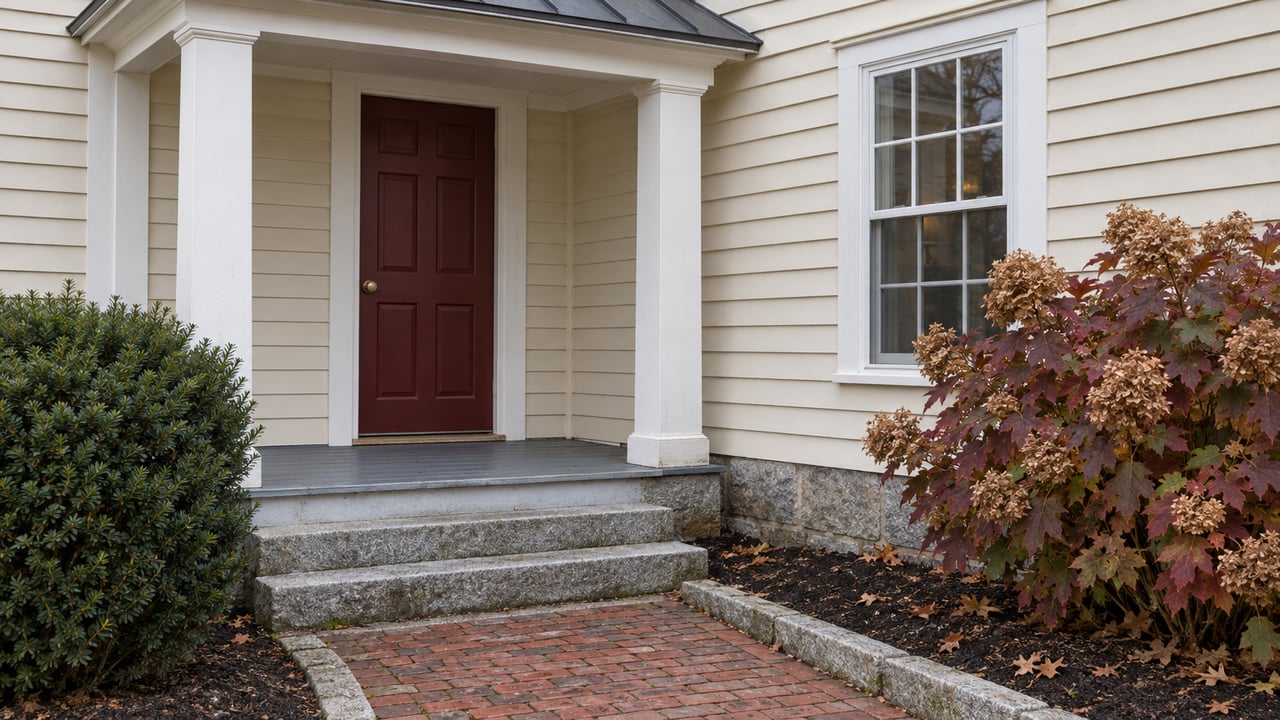
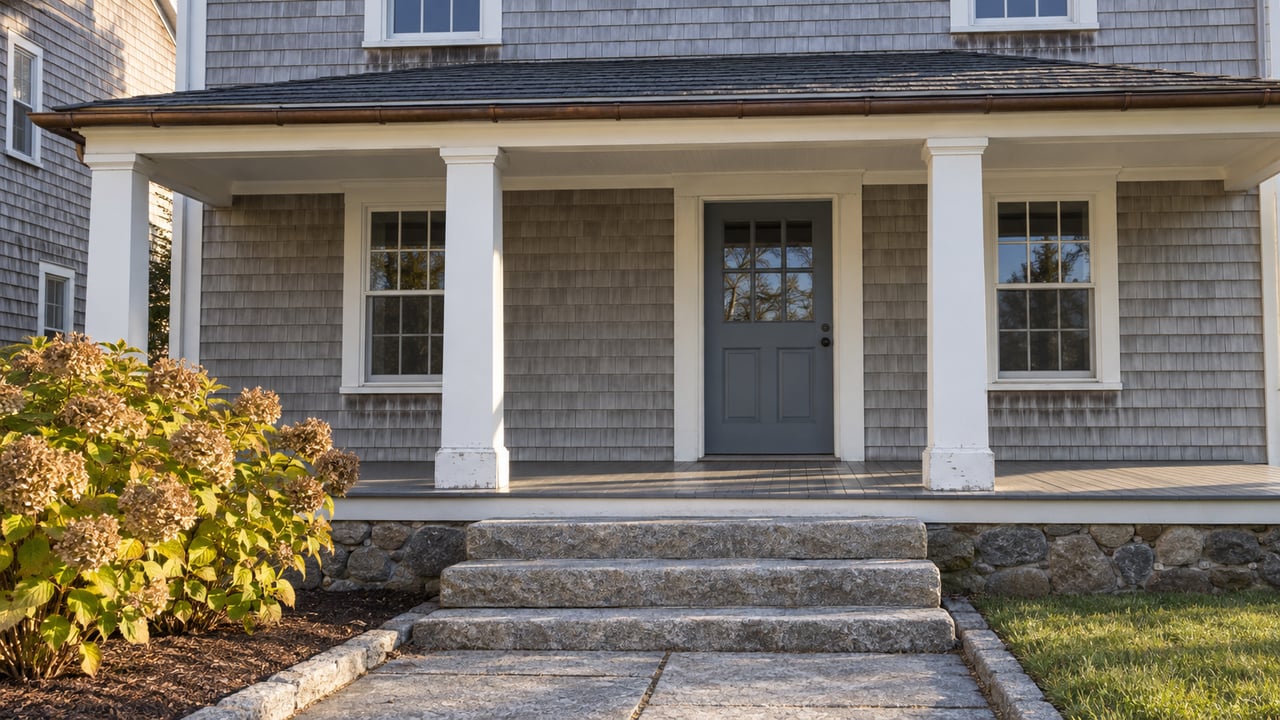
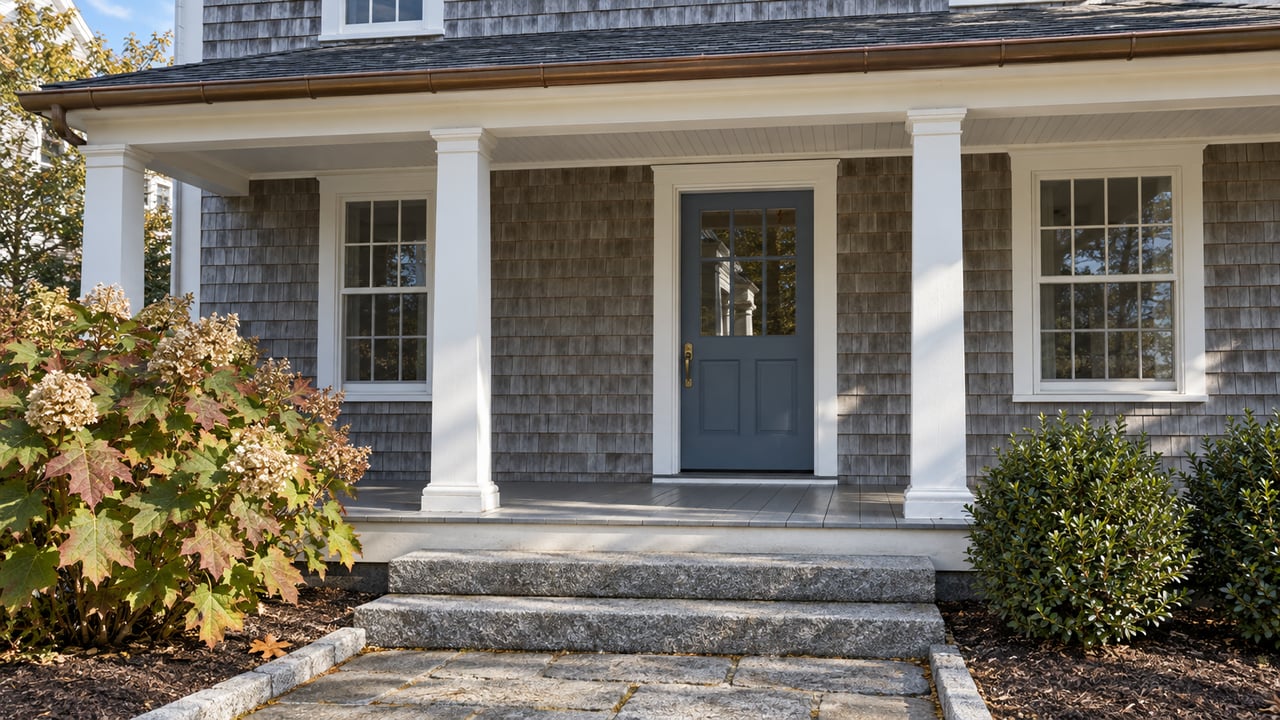
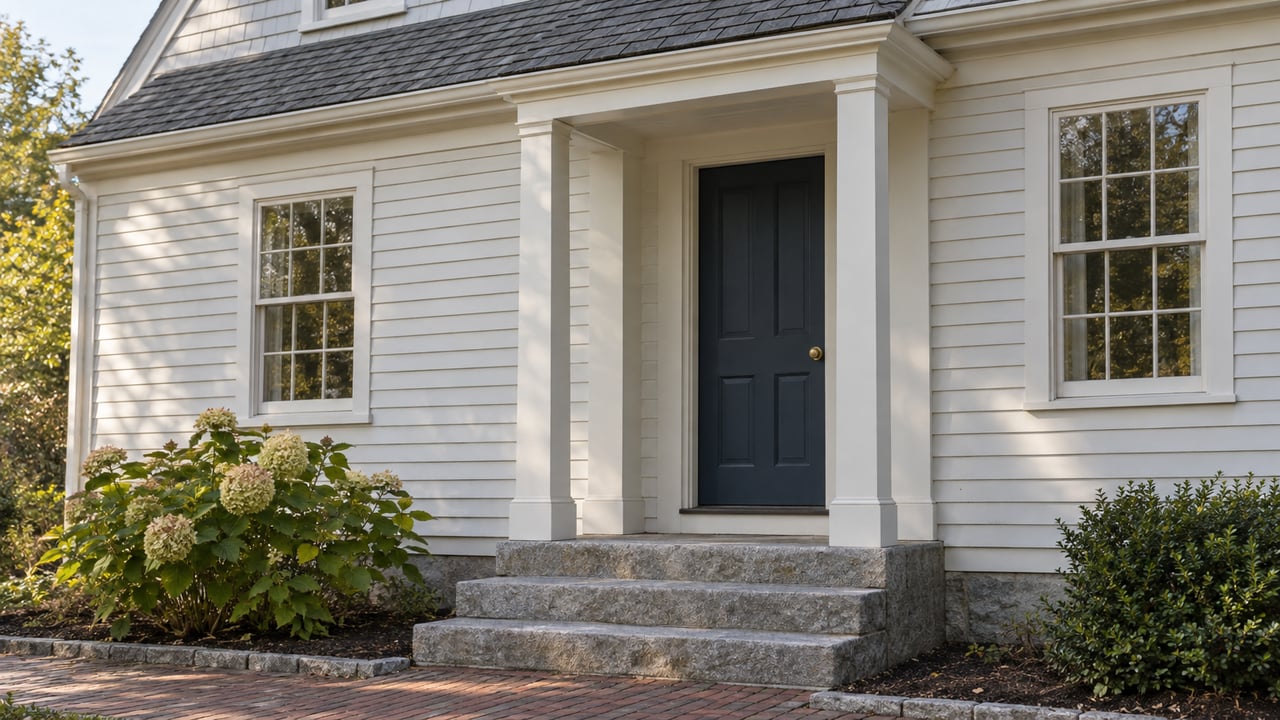
Many of Marblehead’s historic homes reflect the Georgian and Federal traditions found in older New England port towns. Georgian houses are often symmetrical, two stories tall, and two rooms deep, with center entries, raised foundations, clapboard or shingle walls, and double-hung sash windows.
Federal houses typically keep that symmetry but feel lighter and more refined. You may notice fanlights, more delicate trim, and graceful classical details. Historic New England specifically identifies Marblehead as one of the prominent Federal-style port cities along the eastern seaboard.
Local landmark homes help illustrate that history. The Jeremiah Lee Mansion is a Georgian National Historic Landmark, and Marblehead’s historic records also identify notable homes such as the John Glover House and the Robert King Hooper Mansion.
How these homes often live day to day
One of the most important things to understand is that many historic waterfront homes in Marblehead may feel different inside than you expect from the street. Frontages can look compact, while the house extends deeper on the lot.
Museum and architectural materials point to a common local pattern. You may see a restrained, symmetrical street presence, with later additions pushed forward or back over time. Inside, that can mean rooms are more segmented than in a modern open-plan home.
For many buyers, that is part of the appeal. You get architectural detail, craftsmanship, and a strong sense of place. At the same time, you may need to adjust your expectations around flow, ceiling heights in some areas, or how easily a house can be reworked.
Waterfront living is active, not just scenic
Living near Marblehead Harbor means living with a real working waterfront. The Harbormaster’s Office describes Marblehead waters as one of the busiest harbor complexes in New England, and the town manages public landings, floats, transient moorings, and mooring permits.
That is great if you love being close to boating activity and harbor life. But it also means the waterfront is regulated and managed. Mooring permits are limited, and the town advises applicants to expect a waiting list.
In other words, waterfront living here is not the same as assuming private, simple, immediate boat access. If boating is central to your plans, it is smart to understand the town’s systems early in your search.
Walkability is part of the lifestyle
A big part of Marblehead’s waterfront appeal is how you experience it on foot. The town maintains 18 public ways that remain open for public use, and in downtown Marblehead and on Marblehead Neck, many narrow into stone steps, gravel paths, or foot-traffic-only shortcuts.
These passages help create the village-like feel that so many buyers love. They thread between houses and connect you to harbor views, beaches, and shoreline landmarks. On the Neck, public ways lead to places like Chandler Hovey Park and Marblehead Light, where you can watch boats move in and out of the harbor.
That daily access can matter as much as the house itself. For many buyers, the lifestyle value comes from being able to step outside and feel closely connected to the waterfront environment.
What buyers should know about historic district rules
If a home is in Marblehead’s Old and Historic District, exterior changes are regulated. The town’s rules for the Old and Historic Districts Commission state that an application for a Certificate of Appropriateness must describe exterior architectural features, including materials, windows, doors, roof pitch, and dimensional changes.
This affects more than major additions. Depending on the project, visible exterior work such as siding, windows, or other architectural changes may require review and documentation. The commission then decides whether the work is appropriate to preserving the district.
For buyers, this does not mean you cannot improve a home. It does mean the process may take more time, more planning, and more care than it would in a non-historic setting. If you value character and heritage, that may feel like a worthwhile tradeoff.
Flood risk deserves early attention
With any coastal property, flood risk should be part of your early due diligence. In Marblehead, that is especially important because the town is actively studying resilience in places like State Street Landing and Tucker’s Wharf, where flooding, storm surge, and sea-level rise are increasing concerns.
Massachusetts also warns that coastal areas are vulnerable to accelerating sea-level rise and storm surge. That makes flood-zone review an important step, not an afterthought.
FEMA guidance notes that high-risk A and V zones are the highest-risk flood areas, and properties in those zones with federally backed mortgages must carry flood insurance. Even outside those zones, every flood zone carries some level of risk, and maps and insurance requirements can change over time.
The tradeoffs are real, and often worth it
Historic waterfront homes in Marblehead tend to attract buyers who want more than square footage. They want heritage, harbor access, architectural detail, and a setting that feels rooted in New England coastal history.
Those same buyers also need to be comfortable with the realities. Lots may be narrower. Floor plans may feel older and more segmented. Exterior updates may be regulated, and waterfront ownership may require close attention to insurance, maintenance, and resilience planning.
That balance is exactly what gives these homes their staying power. They are not generic coastal properties. They offer a kind of daily experience that is hard to replicate.
Why guidance matters in this market
Buying a historic waterfront home in Marblehead usually involves more than choosing the prettiest view. You may need to weigh architectural condition, historic district considerations, flood-zone implications, harbor access, and long-term property planning all at once.
That is where local knowledge becomes especially valuable. Understanding how a home fits into Marblehead’s historic fabric, and what that means for your goals, can help you move with more clarity and fewer surprises.
If you are exploring Marblehead’s historic waterfront market and want thoughtful, locally grounded guidance, Annie Wachtel offers a boutique, high-touch approach backed by deep North Shore knowledge and disciplined real estate advice.
FAQs
What is a historic waterfront home in Marblehead?
- In Marblehead, it usually means a home in or near the historic district that reflects the town’s colonial and maritime history, often tied to merchants, captains, shipowners, or other seaport-era residents.
What architectural styles are common in Marblehead’s historic homes?
- Georgian and Federal styles are the most common historic domestic forms, often featuring symmetry, clapboard or shingle exteriors, raised foundations, sash windows, and classical details.
Can you renovate a historic home freely in Marblehead?
- If the home is in the Old and Historic District, visible exterior changes may require review by the Old and Historic Districts Commission and a Certificate of Appropriateness.
Is boating access guaranteed with a Marblehead waterfront home?
- No. Marblehead’s harbor is managed by the town, and while there are public landings, floats, transient moorings, and permits, mooring permits are limited and waiting lists are expected.
Why should buyers check flood zones early for Marblehead homes?
- Flood-zone designation can affect insurance costs and mortgage requirements, and coastal properties may face changing risks related to flooding, storm surge, and sea-level rise.