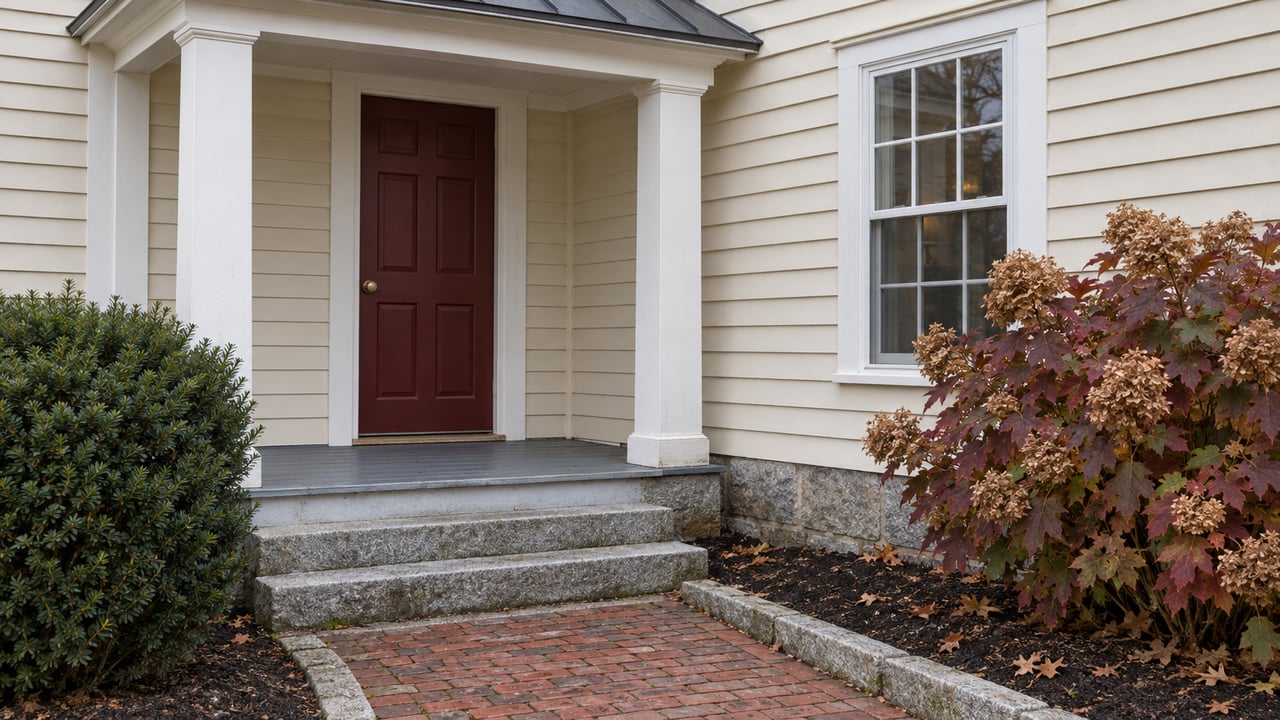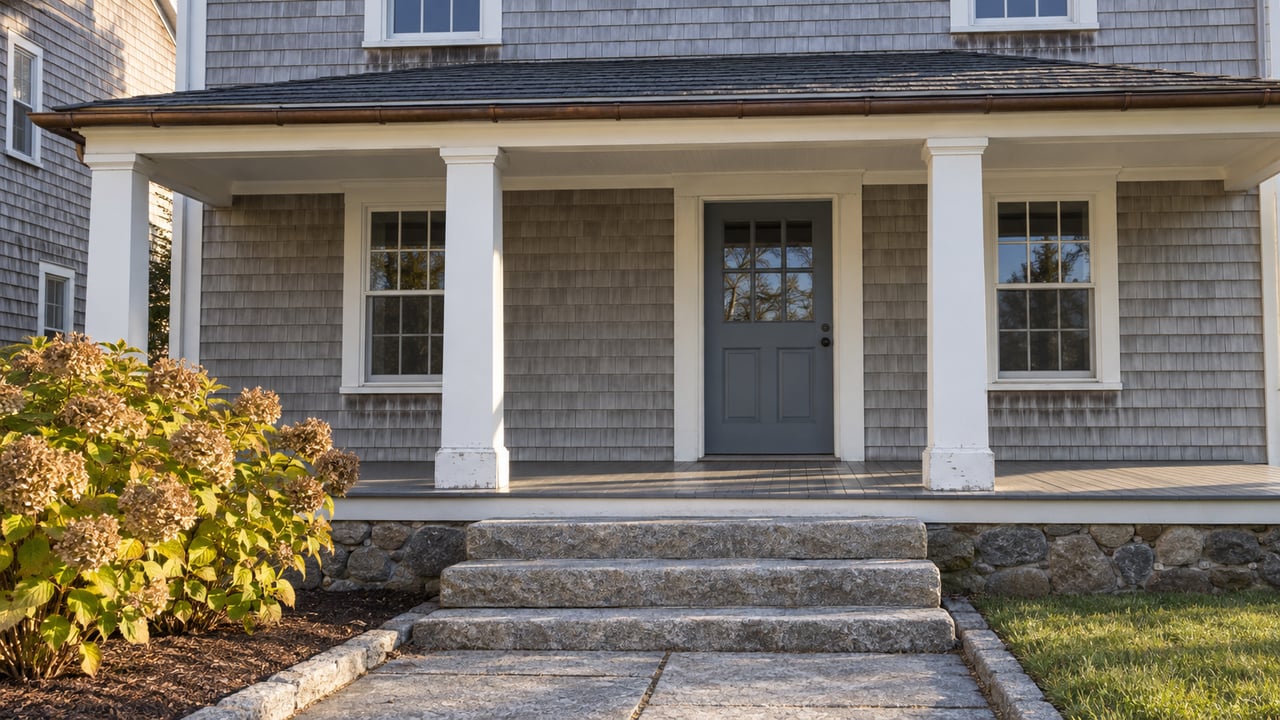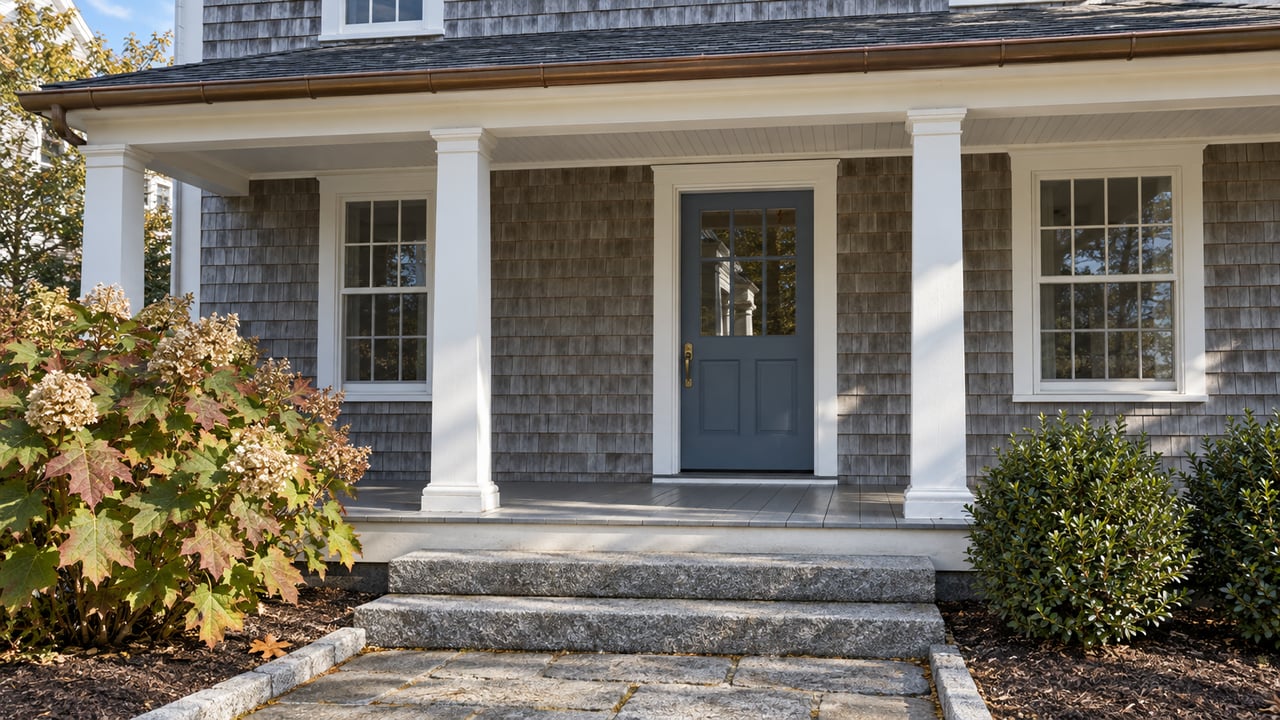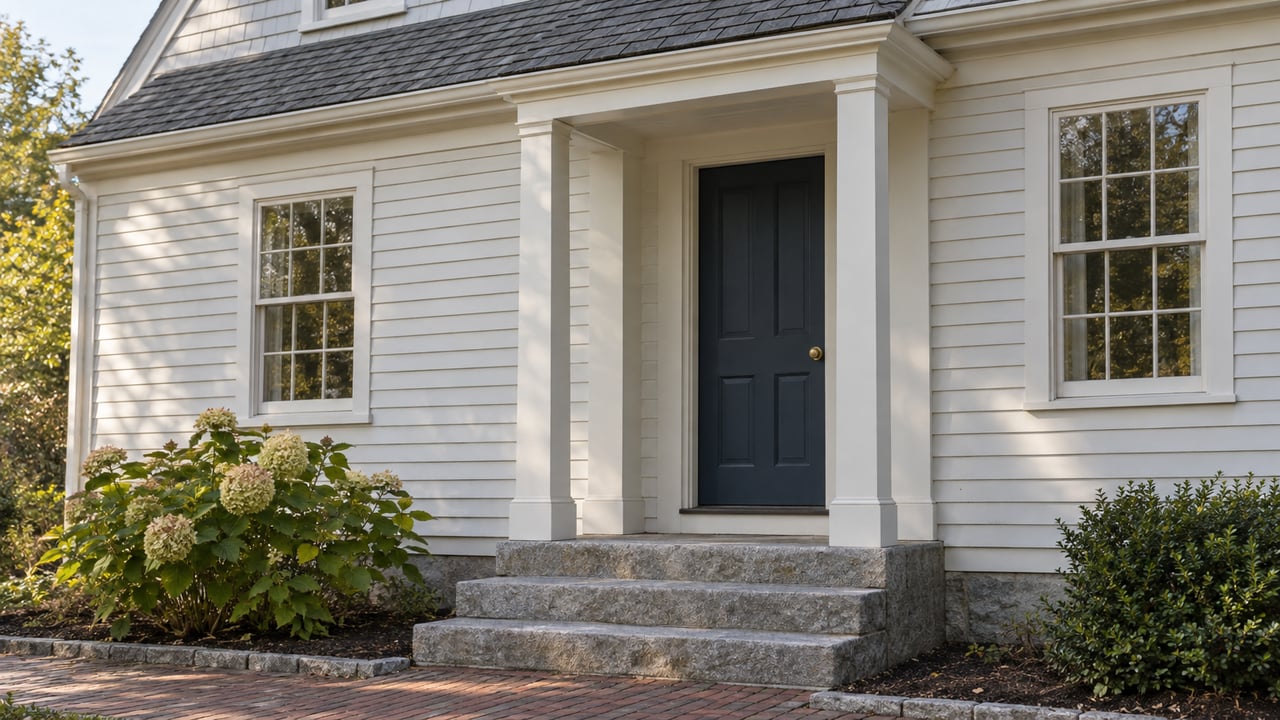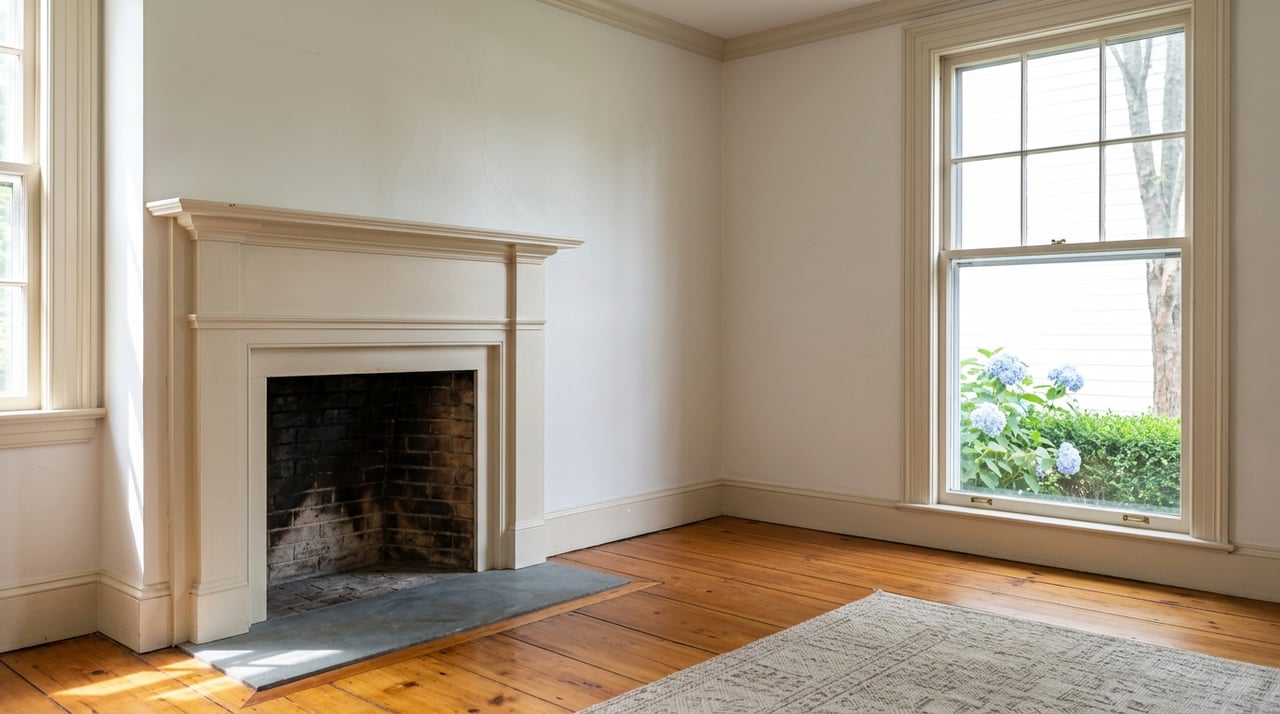
Thinking about buying a historic home in Marblehead? It can be one of the most rewarding purchases you make, but it also comes with a different set of rules, costs, and planning steps than a typical home purchase. If you love period detail, walkable streetscapes, and the idea of owning a piece of local history, it helps to know what you are signing up for before you make an offer. Let’s dive in.
Why Marblehead Historic Homes Stand Apart
Marblehead is not simply a town with older houses. It has a layered preservation structure that can directly shape what you can do with a property after closing.
According to the town, Marblehead’s National Register Historic District is one of the largest contiguous colonial districts on the National Register. At the same time, the Old & Historic Districts Commission, often called the OHDC, has direct oversight of the local Old Town and Gingerbread Hill historic districts.
That distinction matters. The Historical Commission has limited oversight of the National Register district, while the OHDC reviews many proposed exterior changes in the local historic districts.
For you as a buyer, this means the home’s historic character may be part of its appeal and long-term value, but it can also come with added review requirements. Exterior remodeling in these districts is not treated like a standard update.
Know Which District You Are Buying In
One of the first questions to ask is whether the property is in Marblehead’s local historic districts or only within the National Register district. The answer can change your renovation plans, your timeline, and your budget.
If a home is in the local Old Town or Gingerbread Hill districts, exterior work visible from a public way generally requires OHDC review. That can include windows, doors, roofs, siding, fences, chimneys, hardscape, additions, and even some mechanical equipment.
Interior features and building color are generally outside OHDC oversight. Some smaller items may also be exempt, such as certain signs and plantings, but buyers should confirm the specifics for any property they are seriously considering.
What Historic Rules Mean Day to Day
Historic ownership in Marblehead often works best when you approach it as stewardship as much as ownership. You may have less flexibility on visible exterior changes, but you are also buying into a preserved streetscape that many buyers value.
The practical impact is simple. Projects may require more documentation, more lead time, and more careful material choices than they would in a non-historic setting.
That does not make a historic home a bad purchase. It just means your plans should be realistic from the start, especially if you are hoping to update windows, roofing, siding, or exterior systems soon after closing.
Condition Issues To Check Closely
Older homes can be wonderful, but they often need a more careful review during due diligence. In Massachusetts, a standard home inspection is visual and limited in scope, so it should be treated as an important tool, not a guarantee against hidden defects.
State guidance says a standard inspection covers readily accessible parts of the roof, attic, walls, windows, doors, basement, foundation, heating and cooling systems, plumbing, and electrical systems. For a historic Marblehead home, those basics matter even more.
Moisture Deserves Extra Attention
Moisture is one of the biggest practical issues in older homes. Massachusetts notes that excess moisture can come from roof leaks, poorly sealed windows, wet basements, and plumbing or HVAC releases.
That makes the roof, flashing, gutters, windows, and basement drainage especially important to evaluate. In an older coastal property, deferred moisture issues can affect both comfort and repair costs.
Lead Paint Is A Core Due Diligence Item
If the house was built before 1978, lead-based paint should be part of your review. The older the home, the more likely it is to contain lead-based paint.
This is especially important if you have children or expect to do work on windows, trim, or painted surfaces. Massachusetts maintains searchable lead-history records for homes built before 1978, and sellers must provide required lead disclosures and records they have.
Asbestos May Be Present In Older Materials
Asbestos can appear in older floor tile, ceiling tile, insulation, siding, shingles, and other materials. The only way to know for sure whether a material contains asbestos is to have it tested by a qualified laboratory.
If you see older materials that are damaged or likely to be disturbed during renovation, it is smart to flag them early. That can help you budget more accurately and avoid surprises once work begins.
Sewer, Septic, And Legacy Systems Matter
Some older homes raise questions about sewer and septic history. If a property is not sewered, Massachusetts says septic systems should be inspected when a home changes hands, and the buyer must receive a copy of the inspection report.
Even if the property is on sewer, it is still sensible to ask whether any old septic components, cesspools, or abandoned systems exist. On an older property, legacy infrastructure can become an issue later if it is not identified up front.
Flood Risk Can Affect Planning
For coastal or low-lying Marblehead homes, flood risk is another important layer of review. The town’s Engineering Department provides Flood Insurance Rate Maps, and several panels apply to areas including Downtown, West Shore, Beacon Street, Fort Sewall, and Marblehead Neck.
If a home is near the shoreline or in a lower-lying area, ask how flood mapping may affect insurance, future improvements, and your comfort level with the location. This step is especially important before you finalize your budget.
Ask For The Right Documents Early
Historic home due diligence is much easier when you request records before closing. A complete paper trail can tell you a lot about how the property has been maintained and whether past work was properly reviewed.
Ask for renovation records, permits, warranties, and any prior historic-review documents. If the home is in a local historic district, that includes any prior Certificates of Appropriateness, often called COAs, for exterior work.
This matters because approved work must match the application, and the town’s guidance says the authorization has timing limits. If previous owners replaced windows, changed siding, rebuilt roofing, or added equipment, you will want to understand what was approved and what was actually installed.
Review Past Exterior Work Carefully
In Marblehead’s historic districts, replacement materials are often expected to be historically appropriate for visible exterior work. That means previous projects deserve a second look.
Ask whether past work was done in kind and whether replacement materials were selected to satisfy local review. If not, you may inherit future approval issues or face additional cost when you decide to make changes.
This is especially relevant for windows, siding, roofing, and visible mechanical equipment. A home that looks updated at first glance may still need closer review if the work does not align with current local guidance.
Understand Marblehead’s Exterior Guidelines
If you are buying in one of the local historic districts, the exterior rules can shape both your budget and your renovation sequence. The more you understand them before purchase, the fewer surprises you are likely to face.
Window Rules Are Strict
For windows visible from a public way, Marblehead generally prefers and requires original wood materials. The town’s guidance says simulated divided lites are generally not appropriate, inserts are generally not approved, and aluminum-clad, vinyl-clad, and composite windows are generally not appropriate except in limited ocean-exposure situations.
Applications are also expected to include detailed photos and product information. If you are considering a home with aging windows, it is worth understanding what replacement could realistically involve.
Roofing Must Respect The House
Roofing guidance also aims to match the character of the home. Asphalt shingles can be replaced in kind, and architectural asphalt shingles of 30 years or greater are acceptable.
Depending on the era and style of the house, wood shakes, wood shingles, or slate may be appropriate. The guidance also notes that metal roofs are not appropriate in the districts, and related elements like gutters, downspouts, flashing, soffits, and fascia are treated as important historic features.
Siding Choices Are Limited
For siding, Marblehead prefers natural materials and like-kind repairs. Composite and man-made materials are not considered historically appropriate for clapboard or shingle siding.
Repairs should match the existing reveal, size, and detailing of the original siding. That can increase costs compared with a typical exterior refresh, but it is also part of what preserves the visual integrity of the district.
HVAC And Utility Placement Count Too
Mechanical systems can also trigger review if they are visible from a public way. The town says visible condensers, heat pumps, and similar equipment are not appropriate on historic buildings and should be screened or hidden when possible.
The same general principle applies to utility equipment such as meters, hookups, and EV chargers. Solar panels visible from the public way are likewise not appropriate.
Build Extra Time Into Your Plans
If your purchase depends on quick exterior upgrades after closing, build in extra time. Marblehead says work cannot start, and if required a building permit may not be obtained, until the COA process is complete.
The town also says the authorization generally starts within one year and approved work must be completed within two years, subject to limited extensions. In practical terms, that means your timeline for exterior renovation may be longer than it would be in another setting.
What This Means For Value
Historic character can support value, but it is not a simple formula. Research on historic designation shows mixed results depending on the district, the rules, and the local market.
The balanced takeaway is that period character, preserved streetscape, and limited supply can be meaningful strengths. At the same time, preservation obligations, higher renovation costs, and narrower material choices can affect who is willing to buy and what they are willing to pay.
For you, the key is to evaluate both the charm and the responsibilities together. A historic Marblehead home can be a wonderful fit when the property, your goals, and your renovation expectations are aligned.
If you are considering a historic purchase in Marblehead, working with an advisor who understands local review processes, coastal housing considerations, and the financial side of due diligence can make the path much smoother. For a confidential market consultation, connect with Annie Wachtel.
FAQs
What should you ask before buying a historic home in Marblehead?
- Ask whether the property is in a local historic district, what exterior work requires OHDC review, and whether the seller has permits, warranties, renovation records, and prior Certificates of Appropriateness.
What inspection issues matter most for older Marblehead homes?
- Pay close attention to moisture, roofing, flashing, gutters, windows, basement drainage, electrical and plumbing systems, lead paint, possible asbestos, and any sewer or septic history.
What exterior changes usually require review in Marblehead historic districts?
- Exterior work visible from a public way generally requires OHDC review, including many changes to windows, doors, roofs, siding, fences, additions, chimneys, hardscape, and visible mechanical equipment.
What should you know about window replacement in Marblehead historic districts?
- For windows visible from a public way, Marblehead generally prefers original wood materials, and inserts, simulated divided lites, vinyl-clad, composite, and many aluminum-clad options are generally not appropriate.
How can flood risk affect a Marblehead historic home purchase?
- For coastal or low-lying properties, flood mapping can affect insurance planning, renovation decisions, and your overall budget, so it is important to review the town’s applicable flood map areas early in due diligence.