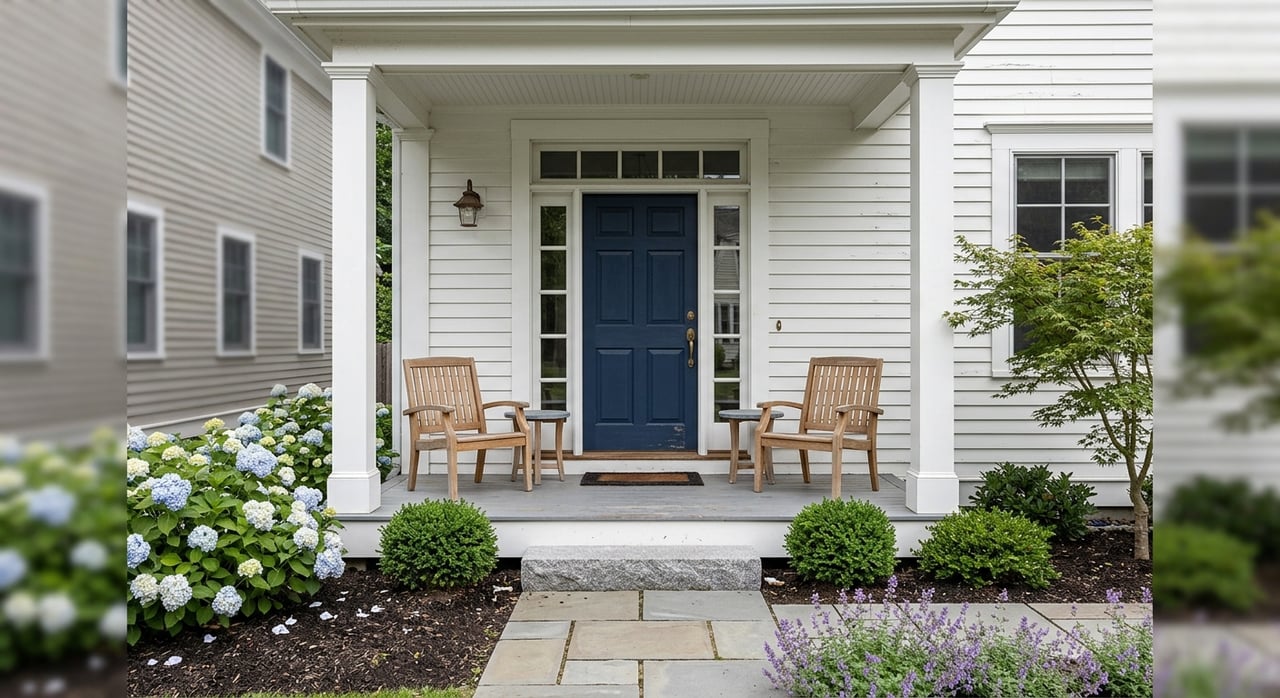
If you only think of Lynnfield as a place to sleep between workdays, you are missing a big part of what shapes life here. For many buyers, the real question is not just how fast you can get somewhere else, but how easy, pleasant, and grounded your everyday routine feels once you are home. In Lynnfield, that routine often comes down to a few key patterns: where you run errands, where you spend time outdoors, and which parts of town connect you to community events. Let’s dive in.
Lynnfield at a glance
Lynnfield is a residential town in western Essex County with a traditional New England feel, a semi-rural atmosphere, and a landscape shaped by marshes and forests. The town’s 2024 population estimate is 13,230, and housing is strongly owner-occupied, with 86.5% of occupied units owned rather than rented.
That owner-occupied pattern helps explain why daily life here often feels stable and place-based. Census data also show a mix of households across life stages, with 27.4% of residents under 18 and 18.5% age 65 or older. Even with a mean travel time to work of 32.6 minutes, local routines still matter because many of the practical parts of the day happen close to home.
Everyday convenience in Lynnfield
One of the clearest anchors of daily life in Lynnfield is MarketStreet. The center describes itself as a community hub for essentials, events, workouts, and outdoor celebrations, and it also includes apartments, an outdoor rink, and a Beth Israel Lahey Health Care Center.
From a lifestyle perspective, this matters because it brings several routine stops into one visible cluster. The town’s open-space plan identifies MarketStreet as a mixed-use project with retail shops, restaurants, office space, and apartments, which makes it more than a shopping stop. It functions as one of the town’s most practical day-to-day gathering points.
What you can do at MarketStreet
The current tenant mix gives you a sense of how many errands or outings can be folded into one trip. The directory includes Whole Foods Market along with restaurants and casual dining options such as Alchemy, Burtons Grill & Bar, CAVA, Chipotle, Davio’s Northern Italian Steakhouse, Kings Dining & Entertainment, Legal C Bar, Otto Pizza, Panera Bread, Starbucks, Sweetgreen, Temazcal Tequila Cantina, Wahlburgers, Yard House, and more.
That means some households may find it easy to build a routine around grocery shopping, grabbing coffee, meeting friends for dinner, seasonal skating, and handling certain health-care appointments in one area. That is not an official neighborhood label, but it is a reasonable way to think about how the amenity mix supports everyday life.
Outdoor life is part of the rhythm
For a town of its size, Lynnfield has a notably visible outdoor culture. The Conservation Commission says it has spent more than 50 years acquiring and protecting open space, and the town provides a wide set of conservation areas, passive parks, and trail maps.
This is important if your ideal routine includes more than car trips and indoor stops. In Lynnfield, outdoor access is not limited to one single park. It is spread across the community, so your experience can vary depending on where in town you live.
Conservation areas and trail spots
Several local recreation areas stand out:
- Rotary Park at Pillings Pond offers a fishing dock, benches, and shoreline access.
- Bow Ridge/Kallenberg Quarry includes about 1.5 miles of blazed trails and skyline views.
- Pine Hill has a 0.4-mile loop.
- Bennett Keenan/Willis Woods together offer roughly 4 miles of trails.
- Reedy Meadow/Partridge Island is described by the town as the largest freshwater cattail marsh in Massachusetts and a National Natural Landmark.
The broader parks inventory also includes Lynnfield Town Common, Freeman Park, Glen Meadow Park, Jordan Park, and Newhall Park. That gives you multiple options for fresh air, short walks, and time outside without needing to make a major outing of it.
Why location changes the outdoor experience
Access points to trails and open space are spread across Main Street, Summer Street, Walnut Street, Phillips Road, Glen Drive, Jordan Road, Currie Circle, Ledge Road, Mirabeau Lane, and the Elm Street and North Reading edge. In practical terms, that means two homes in the same town can support very different routines.
If you like the idea of quick trail access before dinner or a short weekend walk close to home, where you buy in Lynnfield may shape your day more than the town’s commute map does. For some buyers, being close to open space feels just as valuable as being close to a shopping area.
Civic life still has a center
Lynnfield’s daily life is not only about private homes and errands. The town also has a civic rhythm that shows up in seasonal traditions and shared public spaces.
The Common and Meeting House area remain part of the town’s long-running civic heart. Public materials also point to annual Arbor Day celebrations, the Annual Tree Lighting Ceremony, and Concerts on the Commons. These kinds of events help define how a town feels beyond its housing stock.
The role of the Town Common
If you are trying to picture life here, the Town Common represents something different from MarketStreet. It is less about convenience and more about shared town identity. It is the kind of place that can shape your sense of belonging over time, especially if you enjoy seasonal events and familiar public spaces.
For some buyers, that civic element matters as much as square footage or finishes. A home that places you closer to the historic and civic core may support a more connected day-to-day routine, depending on what you value.
Lynnfield’s overlapping daily-life zones
One useful way to understand Lynnfield is not by rigid neighborhood labels, but by overlapping daily-life zones. This is especially helpful in a town where business activity is limited and many routines center on a few established destinations.
The research supports three broad patterns that can help you think more clearly about fit.
Convenience and dining zone
Homes near MarketStreet and Walnut Street sit closest to the town’s retail, dining, health-care, and apartment cluster. If your routine leans on easy errands, takeout, grocery runs, and quick access to services, this part of town may feel especially efficient.
Civic core zone
Homes near Main Street, Summer Street, and South Common Street are closer to the historic and civic core. If you are drawn to public gathering spaces, town traditions, and a more established center of community activity, this area may line up well with how you want to live.
Trail-oriented zone
Homes near Main Street, Glen Drive, Phillips Road, or the Elm Street and North Reading edge are closer to Willis Woods and Bennett Keenan. If daily outdoor access is high on your list, these locations may better support the kind of routine you want.
These are location-based inferences, not official neighborhood boundaries. Still, they offer a more realistic picture of Lynnfield than a simple “good for commuters” label.
What this means for buyers
If you are comparing towns north of Boston, Lynnfield is worth evaluating through the lens of everyday use. Ask yourself where you would buy groceries, where you would go for a short walk, and what kind of public places you want nearby. Those answers often reveal more about long-term satisfaction than commute time alone.
This also means that home search criteria should go beyond beds, baths, and price range. In Lynnfield, small shifts in location can change how close you are to dining, trails, civic events, or practical services. A more tailored search can help you match the home to the routine you actually want.
What this means for sellers
If you are preparing to sell in Lynnfield, your home’s value story may be stronger when it is framed around daily life rather than general proximity to Boston. Buyers often respond to a clear picture of how a location functions from morning to evening.
That might mean highlighting convenience near MarketStreet, trail access near conservation land, or connection to the Common and seasonal traditions. The most effective positioning is specific, accurate, and grounded in how a buyer is likely to experience the property in real life.
Whether you are buying, selling, or simply trying to understand where Lynnfield fits in the North Shore market, a local perspective can help you look past the commute and focus on the lifestyle patterns that matter most. If you are thinking through your next move, Annie Wachtel can help you evaluate location, value, and fit with care.
FAQs
What is everyday life like in Lynnfield beyond commuting?
- Everyday life in Lynnfield often centers on three main patterns: convenience around MarketStreet, outdoor time in conservation areas and parks, and civic events around the Town Common.
What makes MarketStreet important in Lynnfield?
- MarketStreet is a mixed-use hub with grocery shopping, dining, apartments, an outdoor rink, and a Beth Israel Lahey Health Care Center, which makes it a practical day-to-day destination for many households.
Are there trails and parks in Lynnfield?
- Yes. Lynnfield has conservation areas and parks that include Rotary Park at Pillings Pond, Bow Ridge/Kallenberg Quarry, Pine Hill, Bennett Keenan/Willis Woods, Reedy Meadow/Partridge Island, and several town parks.
How does location within Lynnfield affect daily life?
- Location can shape whether your routine is more focused on errands and dining, civic spaces and town events, or quick access to trails and open space.
Is Lynnfield mainly a commuter town?
- Lynnfield does have commuters, with a mean travel time to work of 32.6 minutes, but the town’s open space, civic traditions, and concentrated amenity areas give it a fuller day-to-day identity than a simple commuter label suggests.
What should buyers consider when moving to Lynnfield?
- Buyers should consider how close they want to be to MarketStreet, the Town Common, and conservation areas, since those features can shape everyday convenience, recreation, and community connection.