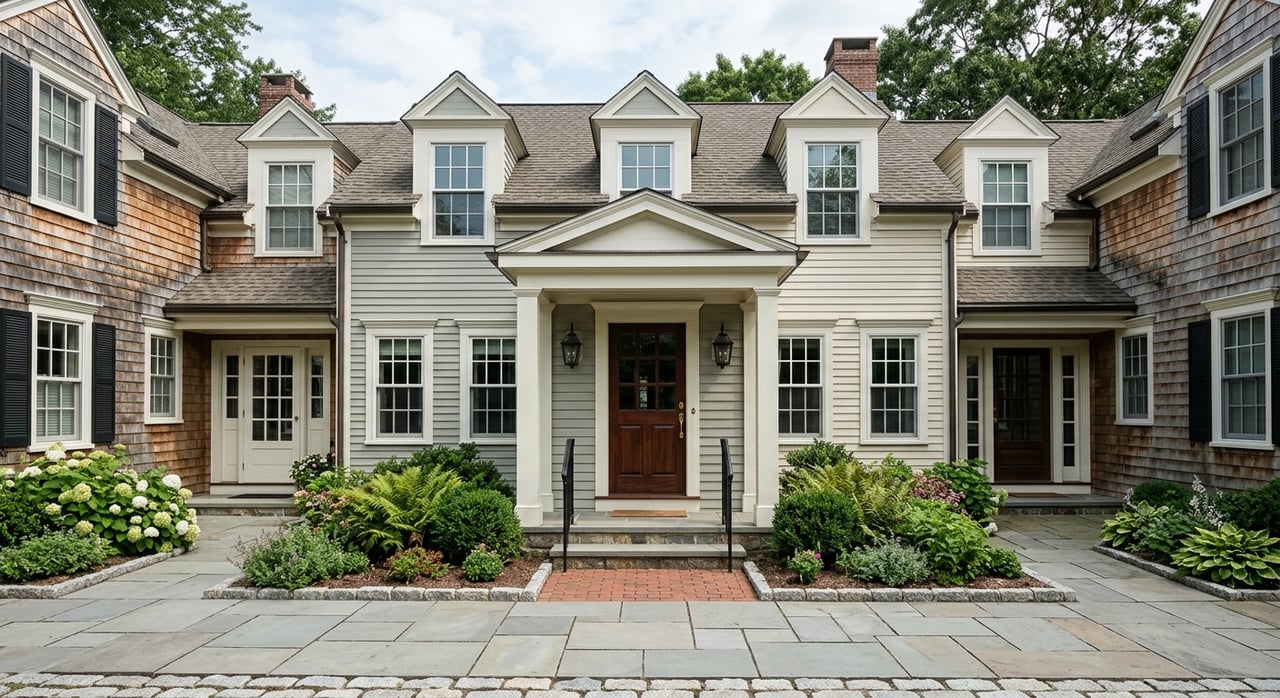
Wondering whether a condo or townhome is the right fit in Marblehead? You are not alone. In a town known for historic streets, coastal character, and limited large-scale multifamily housing, these properties can offer a smart path into the market, but they come with trade-offs that are easy to miss at first glance. This guide will help you understand what to expect, where to focus your search, and which details matter most before you buy. Let’s dive in.
Why Marblehead condos feel different
Marblehead is not a town where condo and townhome options are spread evenly across every neighborhood. According to the town’s housing production plan, most of the housing stock is still single-family, and zoning largely supports that pattern.
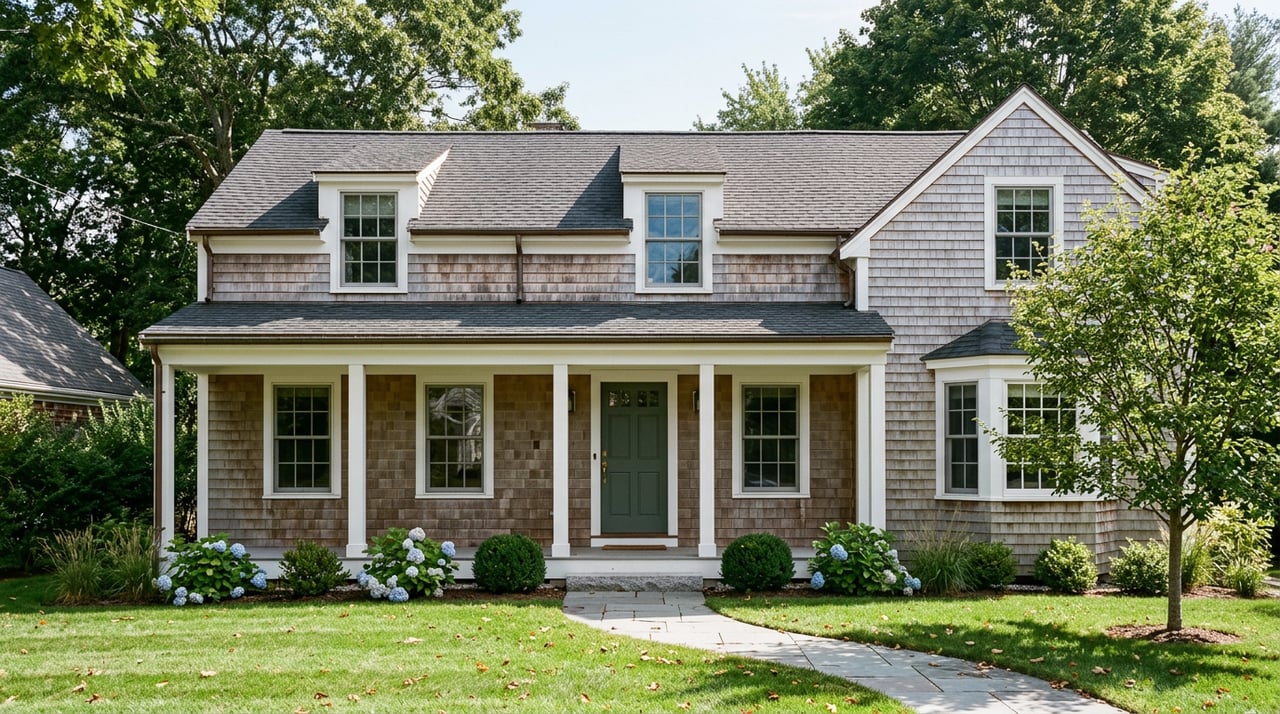
That matters because it helps explain why condo inventory here often feels smaller, more varied, and more location-specific than in other communities. Instead of large planned developments, you are more likely to see antique conversions, smaller buildings, and townhouse-style homes woven into the existing fabric of town.
Where condos and townhomes are most likely
If you are starting your search, it helps to think in terms of corridors rather than subdivisions. The town identifies the center of Marblehead and the Pleasant Street corridor as the most suitable areas for housing because they are walkable and more transit-accessible, according to the town housing plan.
By contrast, the north of town, coastal areas, and Marblehead Neck are described as less convenient for bus access. In practical terms, that means buyers looking for lower-maintenance living with easier day-to-day access often focus on downtown-adjacent streets and the Pleasant Street or Atlantic Avenue area.
Downtown and Old Town options
Downtown and Old Town tend to attract buyers who want character and convenience. Marblehead’s historic core has a village-like feel, supported in part by the town’s network of public ways, many of them located downtown.
In these areas, condo inventory often takes the form of conversions within older buildings. That can mean original architectural detail, a walkable setting, and close proximity to shops, restaurants, and the harbor, but it can also mean more rules around exterior changes.
Pleasant Street corridor appeal
If commute flexibility is important to you, the Pleasant Street area deserves extra attention. The town reports that the 441 and 442 buses run along Pleasant Street and connect to Boston-area transit, with service every 15 minutes during rush hour and every half hour at other times, based on the housing production plan.
That does not make every property in the corridor identical, but it does make this area especially appealing for buyers who want to stay car-light or keep regional access in mind. For some households, that transit advantage can be just as important as square footage.
Neck and coastal properties
Marblehead Neck and other coastal stretches can offer a very different lifestyle. These areas are largely residential and built out, which helps explain why condo opportunities are often limited and may come through infill or conversion rather than bigger multifamily projects.
If you are drawn to these locations, your search may require more patience. You will also want to pay closer attention to flood-zone review, insurance questions, and building-specific maintenance planning.
What property types you will actually see
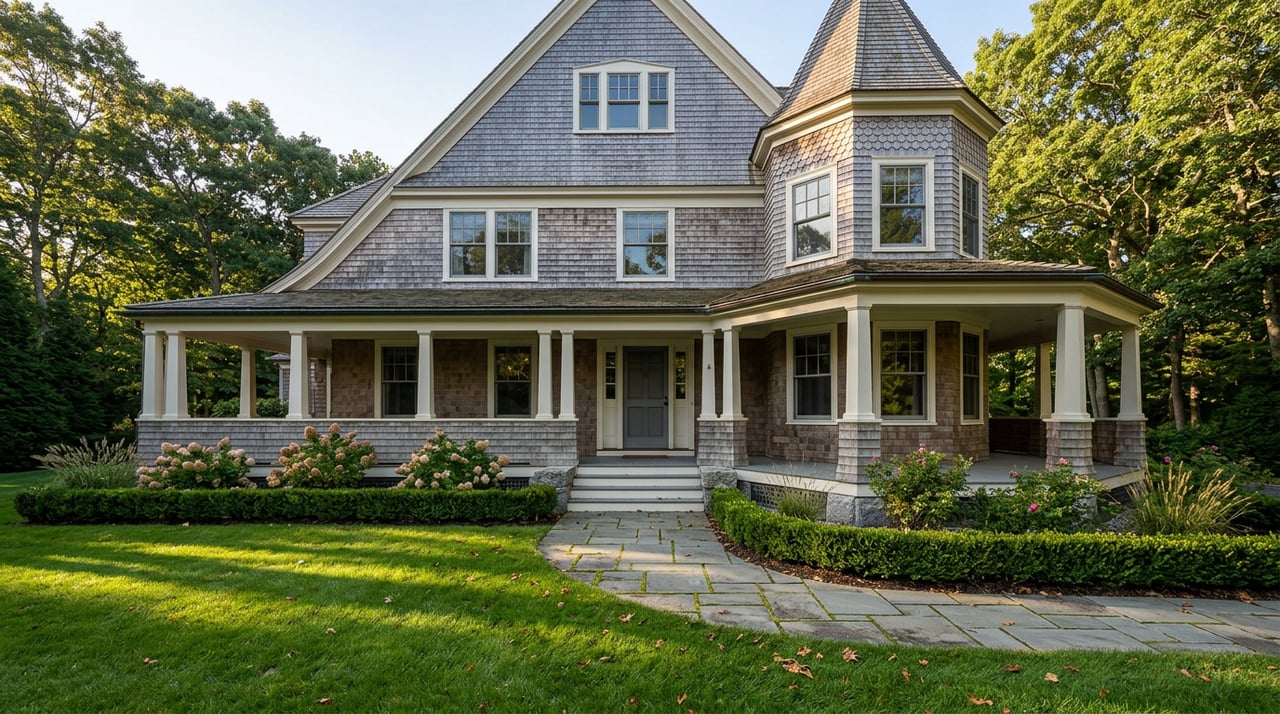
In Marblehead, condos and townhomes generally fall into a few recognizable categories. The first is the character-rich conversion, often found in or near the historic core.
These homes may offer period details and a unique layout, but they can vary widely in storage, parking, and renovation flexibility. No two are quite the same, which makes side-by-side comparisons especially important.
The second common category is the townhouse-style condo. These properties often appeal to buyers who want something that feels closer to a small single-family home, with features like a private entrance, garage space, or a modest yard area.
You may also see smaller newer buildings with amenities such as elevator access, storage, balconies, or workout space. Overall, Marblehead’s condo market tends to be a niche of conversions and compact buildings rather than a landscape of large condominium communities.
Price gap versus monthly cost
At first glance, condos can look like the obvious value play. According to the latest Marblehead market report for February 2026 year-to-date, the median condo sale price was $450,500 compared with $865,500 for single-family homes.
That is a meaningful gap, but it is only part of the picture. The same report shows there were just six closed condo sales year to date, so it is wise to read short-term pricing swings carefully when the sample size is small.
The bigger budgeting issue is your full monthly carrying cost. A lower purchase price does not always mean lower monthly ownership costs once HOA dues, insurance considerations, and possible future assessments are factored in.
HOA costs and documents matter
One of the biggest mistakes buyers make is focusing heavily on the unit and not enough on the association. In Massachusetts, condo ownership is governed by documents such as the master deed, unit deed, declaration of trust or bylaws, and Chapter 183A.
The Commonwealth also notes that condo questions are legal in nature and are best handled by a real estate attorney. That is an important reminder that your review should go beyond finishes and floor plans.
What to review before you buy
Before you move forward, ask for and carefully review:
- The association budget
- Monthly condo fees
- Reserve fund balance
- Special assessment history
- Rules on rentals and unit use
- Any right of first refusal
- Meeting minutes, if available
According to the Consumer Financial Protection Bureau, HOA dues are usually paid separately from your mortgage and can range from a few hundred dollars to more than $1,000 per month. That means you should include them in your affordability plan from the very beginning, not after you find a home you love.
Why reserves are such a big deal
Under Massachusetts law, condo associations must keep current records, maintain reserve accounts separately from operating funds, and maintain adequate replacement reserves. Larger associations also face additional financial review and insurance requirements.
For you as a buyer, the practical takeaway is simple. Thin reserves, recurring special assessments, or weak financial reporting can affect your monthly costs, financing options, and future resale confidence.
Historic district rules can affect ownership
Marblehead’s historic setting is part of its appeal, but it can also shape what ownership looks like over time. The town notes that in the Old & Historic Districts, visible exterior changes from a public way require approval through a certificate of appropriateness, and it publishes guidelines for exterior work.
That can influence projects involving windows, roofing, siding, fencing, solar, and EV charging. If you are buying a condo or townhome with plans to make visible exterior updates later, it is worth understanding those rules before you commit.
Flood and insurance review near the water
Water-facing locations can be appealing, but they deserve extra due diligence. For downtown, West Shore, Beacon Street, Fort Sewall, and areas of Marblehead Neck, the town engineer provides FEMA panel references and flood-related information.
If the property is near the coast, make flood-zone review part of your standard process. This step can affect insurance costs, lender requirements, and your comfort level with long-term ownership.
Features that support resale
In a market where inventory can be limited and each property is a little different, certain features tend to stand out. Local listing patterns suggest buyers consistently value practical amenities such as parking, storage, private entrances, outdoor space, and in-unit laundry.
That does not mean a home without every one of those features cannot perform well. It does mean that when you compare options, you should weigh convenience items carefully because they often matter in everyday use and at resale.
How to decide if a Marblehead condo fits
A condo or townhome may be a strong fit if you want to prioritize location, lower exterior maintenance, and a simpler ownership model than many single-family homes provide. It can also make sense if you want access to Marblehead at a lower entry price than the typical single-family home.
On the other hand, you may want to think twice if you value maximum control over exterior decisions, need substantial private outdoor space, or are uncomfortable with shared financial responsibility through an association. In Marblehead especially, the right choice is often less about property type alone and more about the mix of location, rules, monthly costs, and long-term plans.
If you want help comparing condo and townhome options in Marblehead with a clear eye on pricing, fees, and resale considerations, Annie Wachtel offers thoughtful, local guidance tailored to how you actually plan to live.
FAQs
What kinds of condos are most common in Marblehead?
- Marblehead condos often include antique conversions in or near the historic core, townhouse-style units on residential streets, and smaller newer buildings rather than large condominium subdivisions.
What should buyers review in a Marblehead condo association?
- You should review the budget, monthly fees, reserve balance, special assessment history, use and rental rules, and core governing documents before moving forward.
Are Marblehead condos always cheaper than single-family homes?
- On purchase price, condos are often less expensive, but your full monthly cost may be higher than expected once condo fees, insurance, and possible assessments are included.
Do historic district rules affect Marblehead condo owners?
- Yes. In Old & Historic District areas, visible exterior changes from a public way may require approval, which can affect renovation plans and ongoing maintenance decisions.
Should buyers check flood maps for Marblehead condos near the coast?
- Yes. For water-facing and Neck-area properties especially, flood-zone and insurance review should be part of your due diligence because it can affect costs and lender requirements.