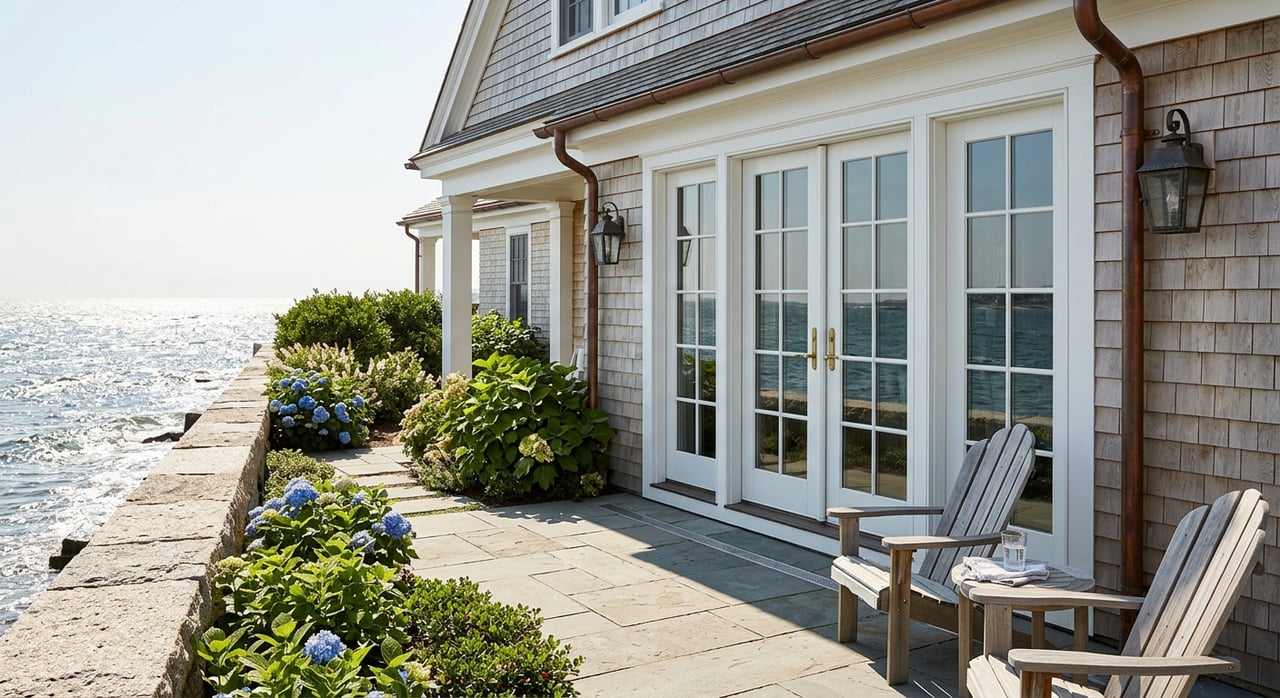
Oceanfront homes in Nahant can attract strong interest, but they also come with questions that do not show up in a typical home sale. Buyers are not just looking at square footage and finishes. They are also weighing flood exposure, shoreline conditions, permitting history, and what the location means for long-term ownership. If you are planning to sell, the more clearly you answer those questions up front, the better positioned you are to protect value and keep your sale moving smoothly. Let’s dive in.
Why Nahant oceanfront homes stand apart
Nahant is a small peninsula town with about 3,334 residents and only around 1.1 square miles of land. Surrounded on three sides by the Atlantic, it offers a level of coastal scarcity that shapes how buyers see value. That scarcity can support strong demand for oceanfront and water-view properties, but it also means buyers look very carefully at exposure, access, and resilience.
In a market like Nahant, the water is both the feature and the first due diligence topic. A buyer may be drawn in by the view, but they will often make decisions based on practical questions about flooding, erosion, insurance, and future improvement options. For sellers, that means preparation matters just as much as presentation.
Start with flood status and insurance
One of the first steps in selling an oceanfront home in Nahant is confirming the property’s current flood-zone status. Nahant’s floodplain overlay district is tied to FEMA special flood hazard areas, and the town requires permits for development in the floodplain. Before pricing and marketing your home, it is wise to verify the current map status and gather any related documentation.
If your home does not already have an elevation certificate, getting one can be helpful. FEMA says an elevation certificate can support flood insurance rating and compliance documentation. For buyers, that document may make it easier to understand risk, estimate insurance costs, and move forward with confidence.
Flood insurance should also be addressed early. Massachusetts states that there is no state law requiring flood insurance, but standard homeowners insurance does not cover flood damage. In some cases, a buyer using a federally backed loan may face mandatory flood insurance purchase rules if the property is in a special flood hazard area.
Be ready for resilience questions
Massachusetts identifies coastal areas as highly vulnerable to sea-level rise and storm surge. The state projects roughly 0.6 to 1.1 feet of sea-level rise by 2030 and 2.3 to 4.2 feet by 2070 above 2000 levels. In Nahant, these are not abstract projections. The town is already managing erosion and storm-surge risk, including dune-restoration work tied to FEMA-backed resilience efforts.
That context matters because buyers may ask how a home fits into the broader coastal setting. They may want to understand whether access could be affected during major storm events, how the lot sits in relation to shoreline features, and whether protective measures are already in place. A calm, factual response supported by documents is far more effective than trying to minimize the topic.
Check permits before making changes
If you plan to complete exterior work before listing, pause before starting. Nahant states that construction in the floodplain, coastal bank, coastal beach, or buffer zone must be permitted by the Conservation Commission before work begins. Depending on the scope, work near wetlands or within the 100-foot buffer zone may require either a determination or a fuller permit.
This matters for common pre-sale projects such as landscaping, shoreline work, deck changes, or repairs near coastal features. Even well-intended improvements can create complications if they were done without the proper approvals. It is much better to confirm requirements first than to explain a problem later during buyer due diligence.
Verify waterfront rights and records
Oceanfront property often involves more than the house itself. State waterways rules can affect construction, dredging, and filling in tidelands and related waterways, and public rights may also exist in filled tidelands. For that reason, sellers should review survey lines, recorded easements, and any approvals tied to shoreline structures before the home goes on the market.
If your property includes or once included features like a seawall, dock, or other waterfront improvements, buyers will want clarity on the legal and permitting history. Having those records ready helps reduce uncertainty and gives buyers a more complete picture of what they are actually purchasing.
Price the waterfront accurately
Pricing an oceanfront home in Nahant takes more than pulling nearby sales and applying a simple waterfront premium. Research on coastal property values in Massachusetts found that nearshore homes can command a premium, but factors such as shoreline protection, elevation, and erosion can influence prices most heavily for homes very close to the water or directly on the oceanfront.
In practical terms, that means your pricing strategy should separate the specific elements that create value. These may include:
- Direct frontage
- View corridors
- Lot depth
- Beach or shoreline access
- Elevation
- Existing shoreline protection
A disciplined pricing approach matters in Nahant because unique coastal homes often have fewer true comparables. Using inland or mixed-location sales can blur the picture. A more precise analysis helps you avoid underpricing a special property or overpricing it in a way that slows momentum.
Build a strong pre-listing file
For oceanfront homes, a well-prepared seller packet can make a real difference. Buyers, appraisers, and insurers often need more documentation for waterfront properties, and delays usually happen when information is scattered or incomplete. Organizing the file before launch can make the entire transaction easier.
A strong pre-listing file may include:
- Survey
- Deed
- Flood-zone printout
- Elevation certificate
- Flood and homeowners insurance declarations
- Permit history
- Lead paint paperwork, if applicable
- Massachusetts home-inspection disclosure materials
- A concise list of capital improvements and maintenance
This is not just about looking organized. It helps support pricing, insurance quoting, underwriting, and buyer confidence. In a high-value coastal sale, reducing uncertainty is often one of the best ways to protect both price and timeline.
Do not overlook Massachusetts disclosure rules
If your home was built before 1978, Massachusetts requires Property Transfer Lead Paint Notification. That paperwork should be complete and ready before the home is listed. The state also requires a written home-inspection disclosure and generally prohibits sellers from requiring or encouraging buyers to waive their inspection rights in most residential sales.
These are basic parts of the transaction, but they are especially important in older coastal homes where buyers may already be looking closely at condition, maintenance, and prior updates. Complete paperwork signals professionalism and helps keep the process on track.
Time the market with presentation in mind
Spring is often considered the strongest selling season, and broader market research points to late March through mid-May as a strong listing window. For a Nahant oceanfront property, that timing can be particularly useful because better light, clearer views, and more inviting outdoor spaces help buyers experience the setting more fully.
That does not mean every waterfront home should wait for spring. It means presentation should be considered alongside timing. If your home shows its ocean views, decks, gardens, or exterior living areas at their best in a certain season, that advantage should be part of your listing strategy.
Market to out-of-area buyers
A Nahant oceanfront home may appeal to a broader buyer pool than a typical local resale. National data shows that 26% of home buyers paid cash, repeat buyers made up 79% of all buyers, and international buyers spent $56 billion on U.S. homes from April 2024 through March 2025. Those patterns suggest that remote buyers, cash buyers, and second-home buyers can be important audiences for a distinctive coastal property.
Because many of these buyers may not be local, digital presentation is essential. NAR reports that 43% of buyers begin their search online, which makes visual quality and clear information especially important. Buyers often want to evaluate the property and the ownership questions before they commit to travel or take the next step.
For a home like this, marketing should usually include:
- High-resolution photography
- Drone imagery or video
- Floor plans
- Virtual tours
- A clear information packet covering flood, access, permit, and title questions
This type of marketing does more than create attention. It helps qualified buyers make faster, better-informed decisions, especially when they are viewing the property from outside the area.
Reduce friction for serious buyers
Cash buyers and vacation-home buyers often move quickly, but that does not mean they move casually. In many cases, they expect fast answers, polished presentation, and a streamlined process. For sellers, that means the goal is not only broad exposure but also a low-friction experience once interest appears.
That is where a concierge-style approach can be especially helpful. Coordinating documents, preparing the home thoughtfully, and keeping communication organized can make a meaningful difference when buyers are evaluating a high-value waterfront property from a distance. In a sale with many moving parts, calm execution becomes part of the value.
Questions buyers will ask
Before your home hits the market, it helps to think like a buyer. Most serious buyers of oceanfront property in Nahant will ask a similar set of questions early in the process.
They are likely to ask:
- Is the home in a flood zone?
- Will flood insurance be required?
- Is there an elevation certificate?
- Can future owners remodel, add a deck, or make shoreline changes?
- Are there any Conservation Commission or waterfront permitting issues?
- Is lead paint paperwork complete if the home is older?
- What rights, easements, or shoreline features come with the property?
When you can answer these questions clearly and early, you create confidence. That confidence can support stronger offers, smoother negotiations, and fewer surprises once the home is under agreement.
A thoughtful strategy protects value
Selling an oceanfront home in Nahant is rarely a standard listing process. The strongest outcomes usually come from doing the diligence first, then bringing the property to market with pricing discipline, complete documentation, and polished exposure to the right buyers.
If you are preparing to sell a coastal home in Nahant, a measured plan can help you clarify the flood story, verify waterfront records, present the home beautifully, and reduce friction for qualified buyers. For confidential guidance on pricing, preparation, and marketing, reach out to Annie Wachtel.
FAQs
What makes selling an oceanfront home in Nahant different from selling another home?
- Oceanfront homes in Nahant often require more buyer diligence around flood zones, insurance, shoreline conditions, permits, access, and waterfront rights, so sellers benefit from preparing those details before listing.
What flood documents should sellers gather for a Nahant oceanfront home?
- Sellers should confirm the current flood-zone status, and if available gather the flood map information, elevation certificate, and flood insurance declarations to help buyers understand coverage and risk.
What permits matter when selling a waterfront property in Nahant?
- In Nahant, work in the floodplain, coastal bank, coastal beach, or buffer zone may require Conservation Commission review, so sellers should be ready with permit history for past work and check approvals before making new exterior changes.
What disclosures are required when selling an older home in Massachusetts?
- If the home was built before 1978, Massachusetts requires Property Transfer Lead Paint Notification, and the state also requires a written home-inspection disclosure in most residential sales.
How should a Nahant oceanfront home be priced?
- Pricing should focus on waterfront-specific factors such as direct frontage, views, elevation, lot depth, access, and shoreline protection rather than relying only on general nearby sales.
How should sellers market an oceanfront home in Nahant to remote buyers?
- Sellers should prioritize strong digital presentation, including professional photography, drone footage, floor plans, virtual tours, and a clear information packet that answers common waterfront questions early.