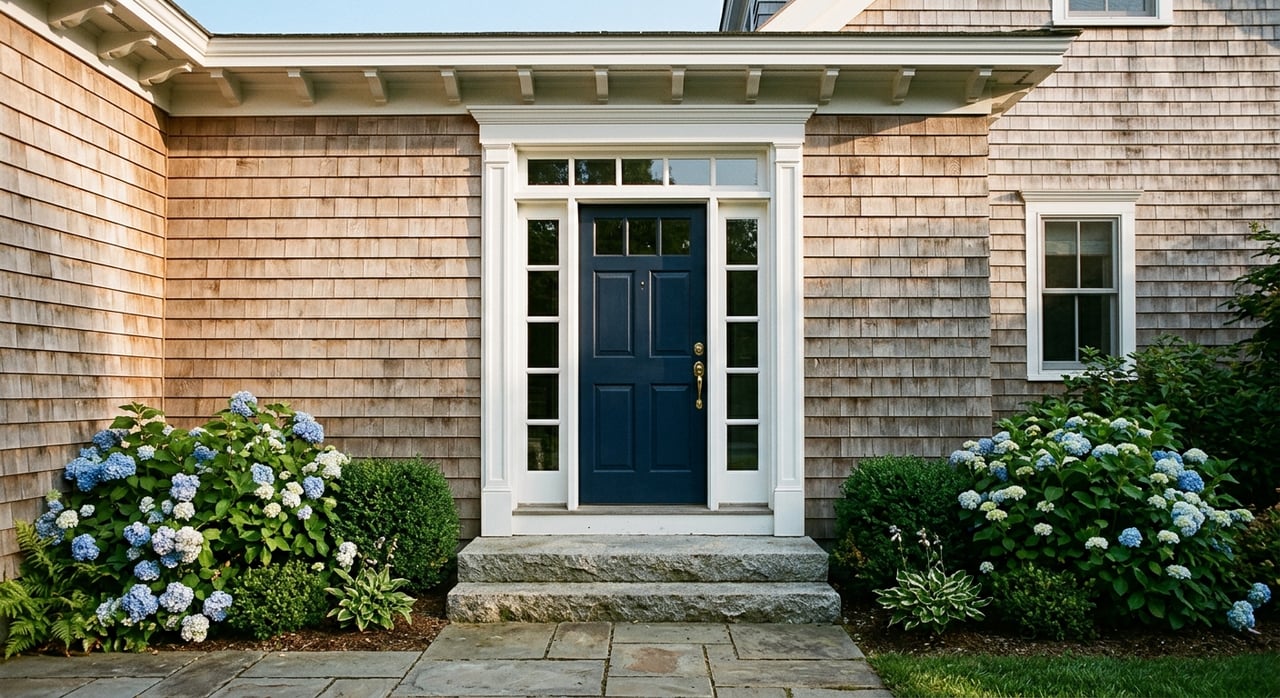
Wondering how to price a historic home in Marblehead without leaving money on the table or pricing it so high that it sits? You are not alone. Historic properties here live in a very specific market, where architecture, preservation rules, condition, views, and coastal risk can all shape value in ways that a townwide average simply cannot capture. If you are preparing to sell, this guide will help you understand what should drive your price, what should not, and how to build a case the market can support. Let’s dive in.
Why historic Marblehead needs its own pricing lens
Marblehead is not just another coastal town with older housing stock. The town notes that its National Register Historic District is one of the largest contiguous colonial districts in the country, and Marblehead’s local Old & Historic Districts also have direct oversight through the town’s commission.
That matters because historic homes often trade in a narrower, more specialized buyer pool. They can also carry unique constraints, benefits, and maintenance realities that make them behave differently from the rest of the single-family market.
March 2026 numbers show why broad market stats can miss the mark. Marblehead single-family homes posted a year-to-date median sales price of $865,500, with 1.2 months of supply, 44 cumulative days on market, and 98.0% of original list price received. But the Marblehead Historic District snapshot showed a median listing price of $1,072,500 and 37 days on market, compared with a townwide median listing price of $884,950 and 18 median days on market.
In other words, a historic home may command a higher asking range while also taking a different path to sale. That is why strategic pricing should start with the right submarket, not just the latest townwide headline.
Start with designation, not assumptions
National Register and local district are different
One of the first pricing questions is simple: what kind of historic designation actually applies to your property? Marblehead’s preservation guidance makes an important distinction between a National Register Historic District and the locally regulated Old & Historic Districts.
That difference can affect what buyers believe they can change, how they view future maintenance, and how they compare your home to others. Before setting a price, sellers should verify whether the home is in a local historic district, part of a National Register listing, or subject to a separate preservation restriction.
Local review can affect marketability
Under Massachusetts General Laws Chapter 40C, exterior alterations in a local historic district generally require a Certificate of Appropriateness, Non-Applicability, or Hardship. The town cannot issue a building or demolition permit until the required certificate is in place.
The review applies to exterior architectural features visible from a public street, way, park, or body of water. Interior layouts and interior features outside public view are not part of that review. Ordinary maintenance that does not change design, material, color, or outward appearance is generally allowed.
For pricing, this means buyers may view a home differently depending on how much flexibility they believe they have. That does not automatically reduce value, but it can change demand and buyer expectations.
Restrictions can materially affect value
If a property has a separate recorded conservation or preservation restriction, that runs with the deed and can permanently limit development or certain uses. A restriction like that can materially affect value and should be reviewed early, not after the home is on the market.
If the property benefited from a certified rehabilitation project, that can also matter. Massachusetts offers a historic rehabilitation tax credit of up to 20% of qualifying expenditures for certified projects, so records of completed certified work can add useful context for buyers and appraisers.
What should actually drive your list price
Comparable sales come first
The most important pricing anchor is the nearest competitive sold inventory. For a historic Marblehead home, that means looking for sales with similar physical and legal characteristics, then adjusting for meaningful differences.
This approach is more reliable than applying a simple premium for age, charm, or district status. Research on historic designation is mixed, with studies showing positive, neutral, and sometimes negative price effects. That is why historic status should be treated as a market question, not an automatic pricing boost.
Adjust for the factors buyers really compare
Once you identify the best available sold comps, the next step is thoughtful adjustment. In Marblehead, some of the biggest variables often include:
- Lot size and usability
- Water view type and depth
- Waterfront or near-water position
- Parking availability
- Condition of exterior and interior systems
- Quality of prior renovations
- Deferred maintenance
- Legal constraints tied to historic status or restrictions
- Flood-zone location and related carrying costs
A strategic price reflects these factors in a grounded, evidence-based way. It does not rely on sentiment, anecdotal renovation cost, or a seller’s understandable attachment to the home.
Tax assessment is not a pricing formula
Town assessments can be useful as a reference point, but they are not a list-price formula. Marblehead’s Assessor’s Office states that assessed value reflects full and fair cash value as of January 1 and is determined from market sales of comparable properties.
That timing alone makes assessments less precise for active pricing decisions in a fast-moving or thinly traded segment. If your home is especially unique, current buyer behavior and the best available comparable sales should carry more weight.
Unique homes need flexible comp strategy
Historic homes often do not have a neat stack of identical recent sales. That is normal. It is also one reason pricing these homes requires more judgment and stronger support.
Fannie Mae allows the use of older sales, farther-away sales, or even sales that are not truly comparable when they are the best available indicators, as long as the appraiser explains why they were used and applies market-based adjustments. That guidance is especially relevant in a place like Marblehead, where rare historic properties may trade infrequently.
For sellers, the takeaway is clear: your pricing strategy should not depend on finding a perfect match. It should depend on building the most credible case from the closest competitive evidence available.
Condition matters more than charm
Buyers separate character from upkeep
Historic character can absolutely attract buyers. But buyers and appraisers still need to separate preserved architectural details from deferred maintenance.
Fannie Mae’s guidance also makes clear that condition and quality should be described in factual terms, and that deferred maintenance plus safety or soundness issues must be reflected in value. Unpermitted additions can affect marketability as well.
That is why two homes with similar age and style can price very differently. One may present as a well-maintained period property with documented improvements, while another may feel like a restoration project, even if both are visually charming.
Documentation can support value
For a historic Marblehead listing, a clean documentation packet can strengthen both marketing and underwriting. Useful materials may include:
- Survey
- Deed and restriction paperwork
- Certificates of Appropriateness or related approvals
- Building permits
- Restoration receipts
- Contractor reports
- Certified historic rehabilitation records
- Flood maps and elevation information
- Shoreline or seawall history, if relevant
- Prior flood-claim information, if available
This kind of paper trail helps buyers understand the home and helps appraisers support adjustments with more confidence. In a niche segment, that can make a real difference.
Water views can raise value, but not evenly
In Marblehead, views are often part of the story, but not every water view should be priced the same. Appraisal research has found water-view premiums ranging from 8% to 31% in one market, while other coastal research shows positive premiums for waterfront location, water views, and wide beaches.
The key point is that premiums are not fixed. A full ocean view may compete very differently from a partial, seasonal, or obstructed view, so pricing should reflect the actual experience from the property rather than a blanket adjustment.
This is especially important for historic homes, where the view may be part of the home’s identity but not necessarily equal to the strongest waterfront offerings in town. A strategic list price distinguishes between special and superior.
Coastal risk can offset view premium
A beautiful coastal setting can increase appeal, but buyers also weigh risk and carrying cost. Massachusetts notes that coastal areas are highly vulnerable to sea level rise and storm surge, and FEMA states that federally regulated or supervised lenders require flood insurance for buildings in a Special Flood Hazard Area.
That means an ocean-view premium can be offset by flood-zone status, insurance cost, erosion concerns, shoreline maintenance, or mitigation work that a buyer may need to plan for. In some cases, these issues do not stop a sale. They simply narrow the buyer pool or change what buyers are willing to pay.
If your home is waterfront or near the water, it helps to present clear information up front. Flood maps, elevation details, seawall history, and prior flood-related records can reduce uncertainty and support a more credible asking price.
Avoid the biggest pricing mistakes
Do not rely on one headline sale
Monthly market numbers in a small segment can swing sharply. The Massachusetts Association of Realtors notes that one month can look extreme because sample sizes are small, which matters even more for rare historic homes.
That is why a single standout sale should not set your entire strategy. Rolling trends and district-level comparable sales usually provide a safer read than one eye-catching comp.
Do not price on emotion
Historic sellers often have deep personal investment in their homes. That is understandable. But the market will still compare your property on location, condition, utility, constraints, and risk.
A list price that leans too heavily on charm, family history, or renovation spending can miss where actual buyers draw the line. Strategic pricing respects the home’s story while staying anchored in market evidence.
Do not hide constraints
If a buyer later discovers historic review requirements, missing permits, restrictions, or flood concerns, the result can be hesitation, renegotiation, or a failed deal. Clear disclosure and documentation usually serve a historic seller better than vague positioning.
In a complex property sale, clarity builds confidence. Confidence supports stronger offers.
A smarter pricing process for sellers
If you are preparing to sell a historic home in Marblehead, a disciplined pricing process often looks like this:
- Confirm the property’s exact historic designation and any recorded restrictions.
- Identify the nearest competitive sold comps, even if they are older or imperfect.
- Adjust for view, lot, parking, condition, systems, and coastal risk.
- Review permits, approvals, and repair history for anything that may affect value.
- Build a documentation packet that helps buyers and appraisers understand the property.
- Set a list price that matches the most likely buyer pool, not just the most optimistic one.
This approach is especially important for unique homes where overpricing can cost early momentum. In a market with low supply, buyers may still move quickly, but they tend to be disciplined when a property’s complexity is obvious.
Why local pricing expertise matters in Marblehead
A historic Marblehead home is rarely just another listing. It may sit at the intersection of architecture, local regulation, coastal exposure, and very specific buyer demand.
That is why strategic pricing is less about formulas and more about informed judgment. You need a pricing plan that understands the district, the records, the buyer mindset, and the competitive landscape at the same time.
When that work is done well, your home can enter the market with a number that feels credible, competitive, and well supported. That gives you a stronger foundation for both showing activity and negotiation.
If you are thinking about selling a historic home in Marblehead and want a careful, data-driven opinion of value, Annie Wachtel offers confidential guidance grounded in local market knowledge, pricing discipline, and high-touch seller support.
FAQs
How should you price a historic home in Marblehead?
- You should price it using the nearest competitive sold comps, then adjust for condition, lot, views, parking, legal constraints, and coastal risk rather than relying on townwide averages or historic charm alone.
Does historic designation automatically increase value in Marblehead?
- No. Research on historic designation shows mixed price effects, so designation should be treated as a market factor that may help, hurt, or have little effect depending on the home, condition, and buyer pool.
What historic district rules matter when selling a Marblehead home?
- If the home is in a local historic district, exterior changes visible from a public street, way, park, or body of water generally require the proper certificate before the town can issue related building or demolition permits.
Should you use Marblehead tax assessments to set a list price?
- Assessments can be a reference point, but they are not a reliable formula for list price because active pricing should be based on current market evidence and the best available comparable sales.
How do water views affect the price of a Marblehead historic home?
- Water views can add value, but the premium is not fixed, so a full ocean view should be priced differently from a partial, seasonal, or obstructed view.
What documents help support the price of a historic Marblehead listing?
- Helpful records include surveys, deed or restriction paperwork, historic approvals, permits, restoration receipts, contractor reports, flood information, and any certified historic rehabilitation records.