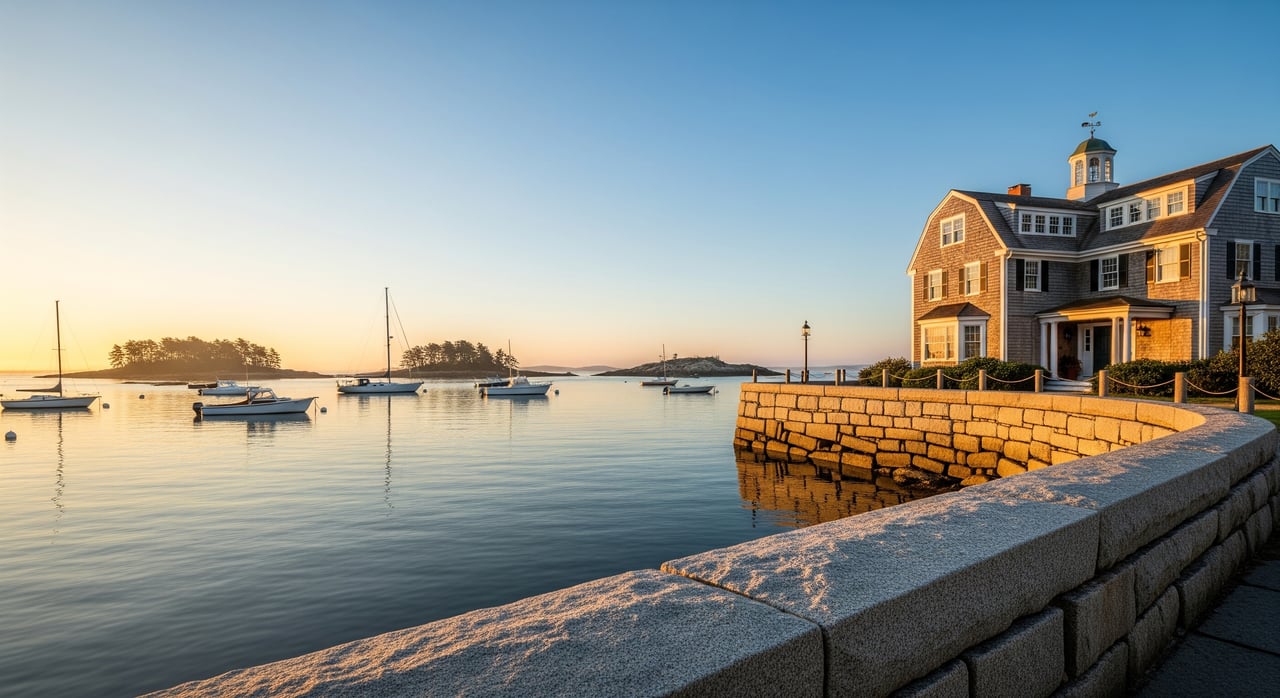
Imagine waking up to the quiet clink of halyards in the harbor and narrow streets lined with weathered shingles and flower boxes. If you are drawn to coastal charm and a strong sense of place, Marblehead sits high on most shortlists. You want a realistic picture of daily life, from commute logistics to where you will spend Saturday mornings. This guide walks you through neighborhoods, seasons, recreation, schools, and buyer checklists so you can decide if Marblehead fits your lifestyle and goals. Let’s dive in.
Marblehead at a glance
Marblehead is a compact, historic seaport on the North Shore of Boston. The town’s identity is deeply maritime, with a working harbor, yacht clubs, and preserved colonial streets. You will notice older homes, stone walls, and the kind of small-town services that make daily life feel personal and convenient.
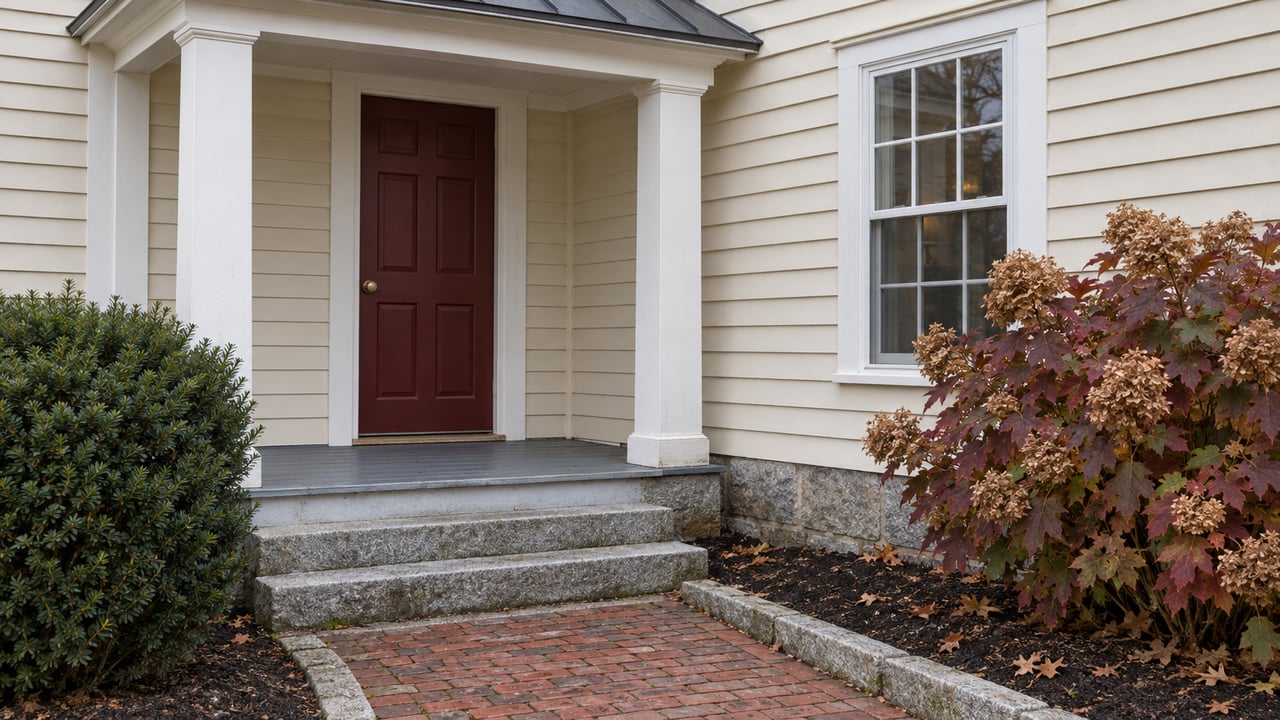
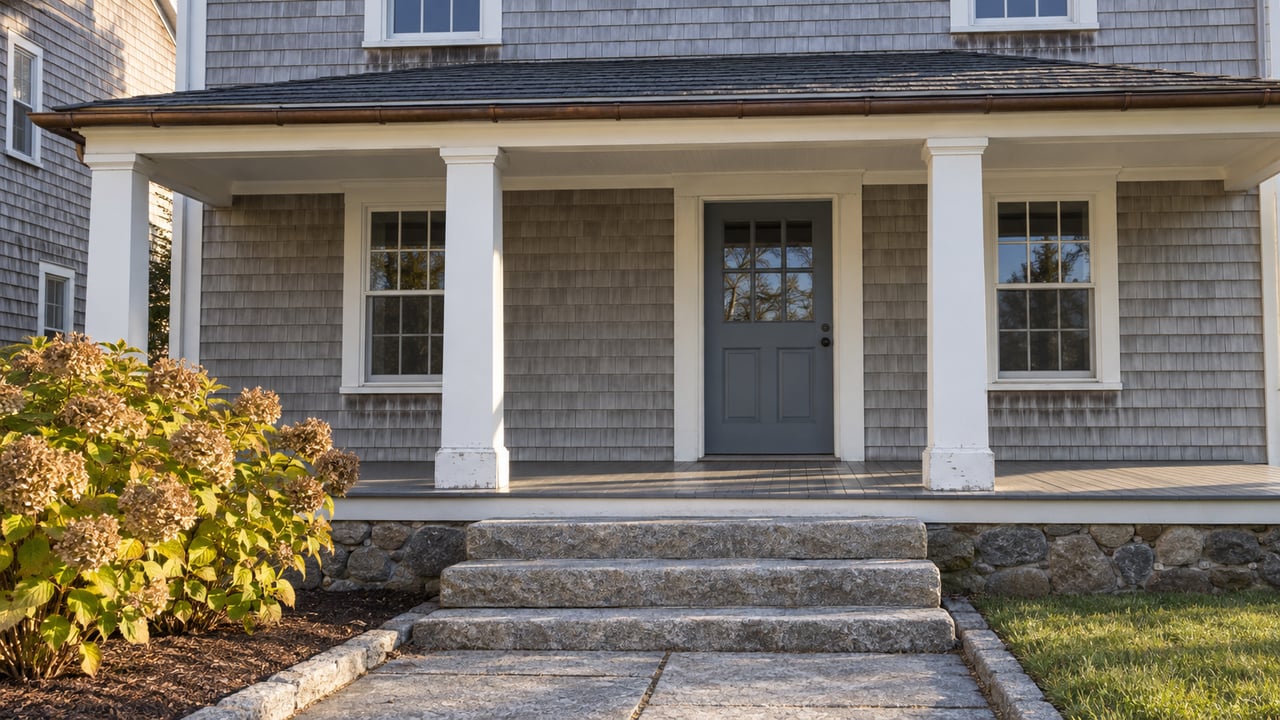
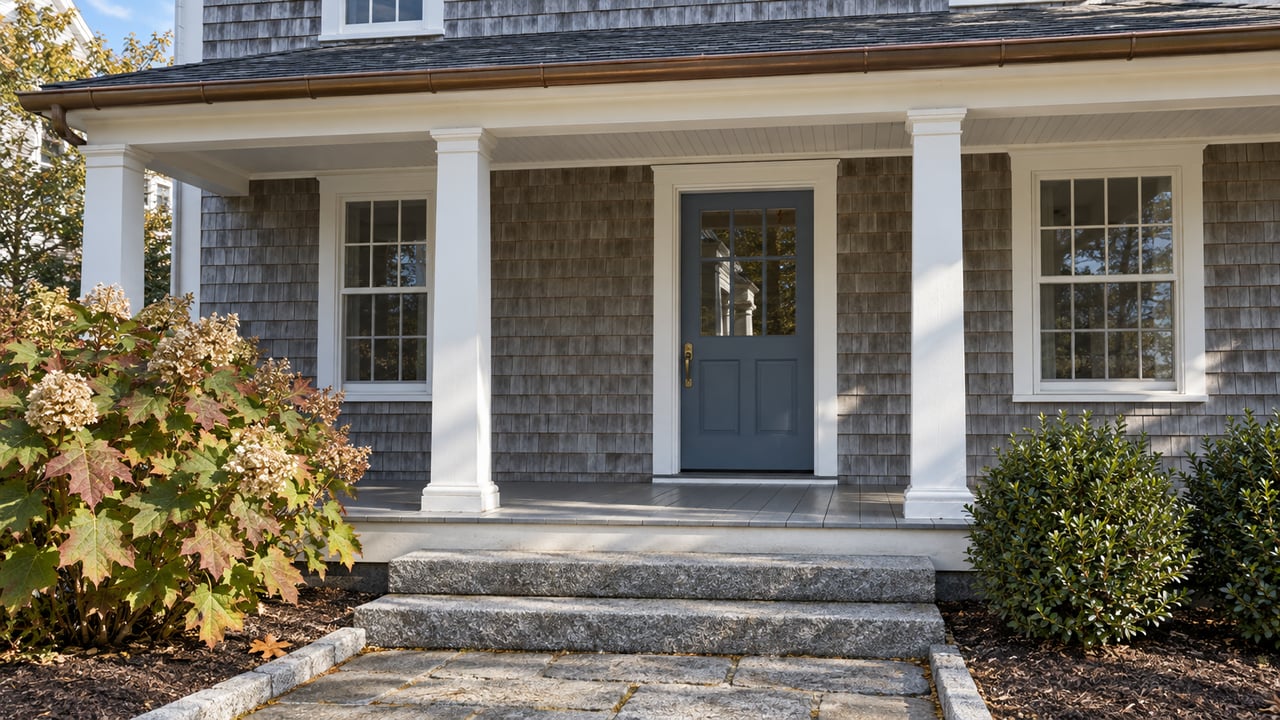
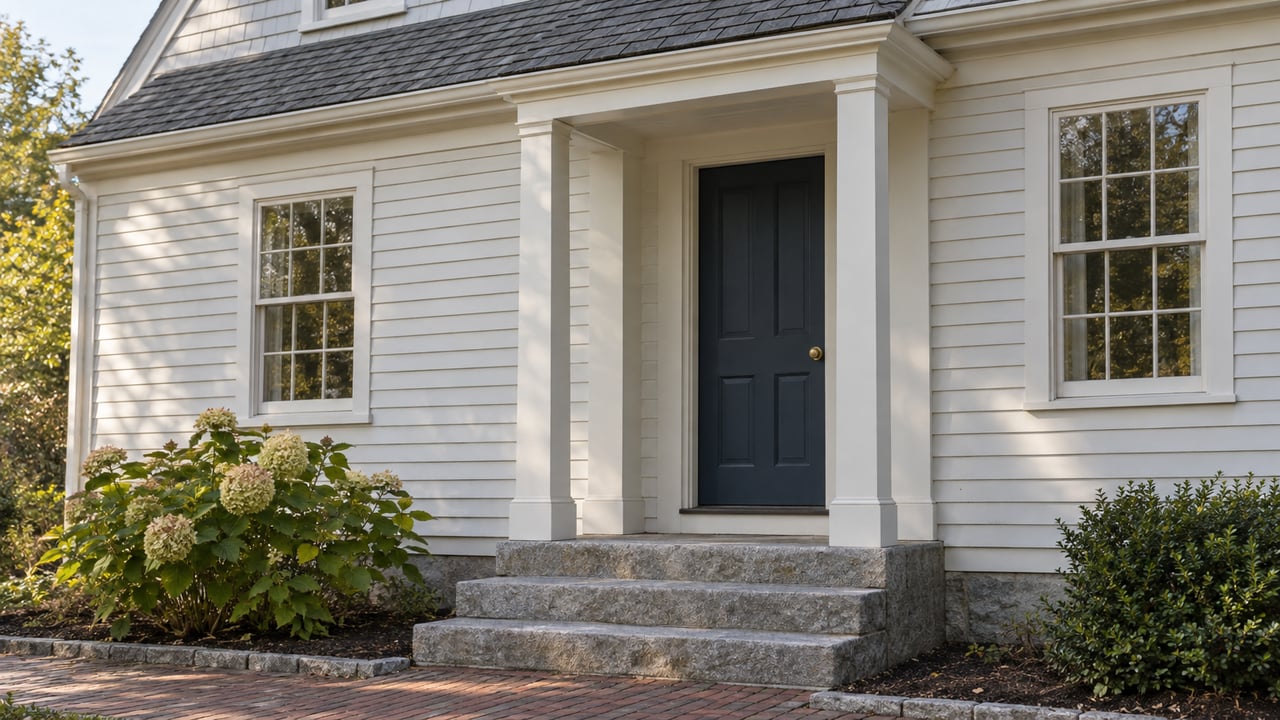
Community life is anchored by local institutions, arts and history organizations, and a busy harbor calendar. Many homes date to the 18th and 19th centuries, which adds character and can shape renovation choices through historic-district rules. If you value walkability, coastal views, and civic pride, Marblehead offers all three.
Neighborhood feel
Old Town walkability
Old Town centers on narrow, winding streets, small shops, cafes, and galleries. It is one of the most walkable parts of town. You can grab coffee, run errands, and meet friends without getting in the car. Many homes here are historic, so exterior changes often require review. Buyers who love architectural detail and a village feel gravitate to this area.
Waterfront and the Neck
Near the waterfront and out on the Neck, life revolves around the harbor. You will find marinas, docks, and clubs that drive a boat-forward rhythm most of the year. Properties with water access or views tend to command a premium. If you plan to keep a boat, research moorings, marina memberships, and seasonal logistics early in your search.
Inland streets and quieter pockets
Move inland and you will find quieter residential streets with a mix of single-family homes, cottages, small multi-family buildings, and some condos. These neighborhoods still keep you close to the harbor, beaches, and town services, while offering more options at a range of price points.
Getting around and commute
Driving to Greater Boston
Marblehead is within commuting distance of Boston by car, though drive times vary by route and traffic. Many residents commute to Boston or the nearby employment hubs across the North Shore. If commuting is a priority, test your route at your typical travel times before you buy.
Public transit options
Public transit inside Marblehead is limited compared to larger suburbs. Many commuters drive to nearby MBTA commuter-rail stations or use regional buses for connections. If you want to reduce car time, map your park-and-ride options and schedules and factor that into your daily routine.
On-the-water lifestyle
While boating is mostly recreational, it shapes daily life here. Summer days may start with a harbor paddle or an evening sail. Even if you are not a boater, the pace of town life often follows the harbor calendar.
Schools and youth life
Public schools overview
Marblehead Public Schools serve local students from elementary through high school. Families often highlight the community’s involvement and programs that extend beyond the classroom. Because school offerings and performance change over time, review the district’s latest information to understand programs, enrollment, and activities that fit your needs.
After-school, sports, and summer
Youth sports are active, and sailing programs are a signature part of the town’s culture. In summer, many families plan around sailing, rowing, and beach days. Community recreation, libraries, and civic organizations provide year-round activities that keep kids engaged.
Recreation and seasons
Sailing and harbor life
Sailing is woven into Marblehead’s identity. You will see dinghies, keelboats, and racing fleets sharing the harbor with fishing boats and cruisers. The town hosts regional and international regattas, and many residents participate in casual sails, lessons, or race nights. If you are a boater, you will find boatyards, repair services, and clubs that support an active season.
Beaches and coastal paths
The coastline mixes small sandy beaches with rocky headlands and pocket parks. Public access points matter, especially in summer when beaches are busiest. Off-season, coastal walks are a favorite way to catch views, unwind, and watch changing weather.
Year-round rhythm
- Summer: Peak season. Sailing, beach days, outdoor dining, art fairs, and visitors add energy to town.
- Fall: Calmer streets, crisp air, and coastal foliage. A great time for walking and community events.
- Winter: Quieter pace with coastal storms and Nor’easters. You will still see some boating in protected waters, and municipal services focus on snow and coastal resilience.
- Spring: Cleanup days, boat prep, and a steady ramp-up to the harbor season.
Housing and costs
Home types you will find
You will see colonial and Federal-era single-family homes, cottages, small multi-family buildings, historic Old Town properties, some condominiums, and a range of waterfront homes. Older homes offer charm and history, while condos and multi-unit options can provide lower-maintenance living.
Price patterns and competition
Marblehead is part of a higher-priced coastal market. Waterfront and walkable historic properties are in demand and often competitive. Inventory can be tight at popular price points. To stay oriented, follow local listings and regional market updates to understand trends in your target segment.
Taxes, insurance, and maintenance
Property taxes are set by the town. If you are near the shore or in a designated flood zone, budget for higher insurance and confirm whether flood insurance is required. Older and historic homes can carry specialized maintenance needs and may involve approvals for exterior changes.
Rules and due diligence
- Historic districts: Confirm whether a property lies in a historic-district area that requires design review for exterior work.
- Coastal considerations: Review FEMA flood maps and local floodplain information. Understand storm-surge and erosion risks if you are evaluating low-lying properties.
- Zoning and utilities: Verify setbacks, wetlands considerations, and whether a property is on sewer or septic.
- Boating logistics: If a mooring or slip is important, research availability, waitlists, and club or town rules early.
Who chooses Marblehead
- Long-time locals and multigenerational families who value continuity and maritime life.
- Professionals who commute to Boston or regional hubs but want a small-town coastal setting.
- Retirees seeking scenic harbor views, walkable routines, and a slower pace.
- Second-home and seasonal residents who anchor summer plans around the harbor.
A day in Marblehead
For a family with kids
You might walk to a cafe before school drop-off, then hit the harbor walk in the afternoon. Weeknights often involve youth sports or sailing practice, with a quick stop along Main Street for a casual dinner.
For a commuting professional
You will time your drive to a nearby commuter-rail station, work in the city, and be home in time for a run along the shoreline. Weekends are for boat days, errands in Old Town, and meeting friends at local spots.
For a retiree or second-home owner
Your day can be as peaceful or active as you like. Morning coffee with a harbor view, a coastal walk or yoga, and time volunteering with a local organization are common rhythms. Summer brings visits from family and more time on the water.
Buyer checklist
- Test your commute at your typical travel times.
- Review historic-district maps and guidelines for your target neighborhoods.
- Pull insurance quotes, including flood coverage if applicable.
- Confirm whether a property sits in a FEMA flood zone and understand elevation details.
- Inspect older systems carefully and budget for historic-home maintenance.
- Research mooring or marina options if boating is part of your plan.
- Track local listings to gauge competition in your price band.
Is Marblehead a fit for you?
If you want a New England harbor town with authentic maritime culture, walkable pockets, and four distinct seasons, Marblehead delivers. Daily life is shaped by the water, community events, and the character of older homes and streets. With the right due diligence, you can find a home that aligns with your lifestyle and risk tolerance.
If you are exploring a move, considering a sale, or weighing a second-home purchase, you do not have to navigate the nuances alone. For local guidance plus disciplined pricing and concierge-level coordination, connect with Annie Wachtel for a confidential conversation about your goals.
FAQs
Is Marblehead a good place for families?
- Many residents value the small-town feel, active youth programs, and community institutions. Review the latest school information and confirm commute and budget fit for your household.
How do people commute to Boston from Marblehead?
- Most drive, and many use nearby commuter-rail stations or regional buses for connections. Test routes and parking options at your typical travel times.
What is winter like in Marblehead?
- Winters are quieter with coastal storms and Nor’easters. Town services manage snow and coastal conditions, and some harbor activity continues in protected waters.
Do historic rules limit renovations?
- Portions of town fall within historic districts where exterior changes may require design review. Check property location and guidelines before planning work.
How seasonal does Marblehead feel?
- Summer is the busiest with sailing, beaches, and visitors. Fall and spring are active but calmer, and winter shifts to a more residential pace with reduced hours at some businesses.
What should coastal buyers review first?
- Start with FEMA flood maps and local floodplain information, get insurance quotes, and confirm setbacks, wetlands considerations, and any historic-district requirements.